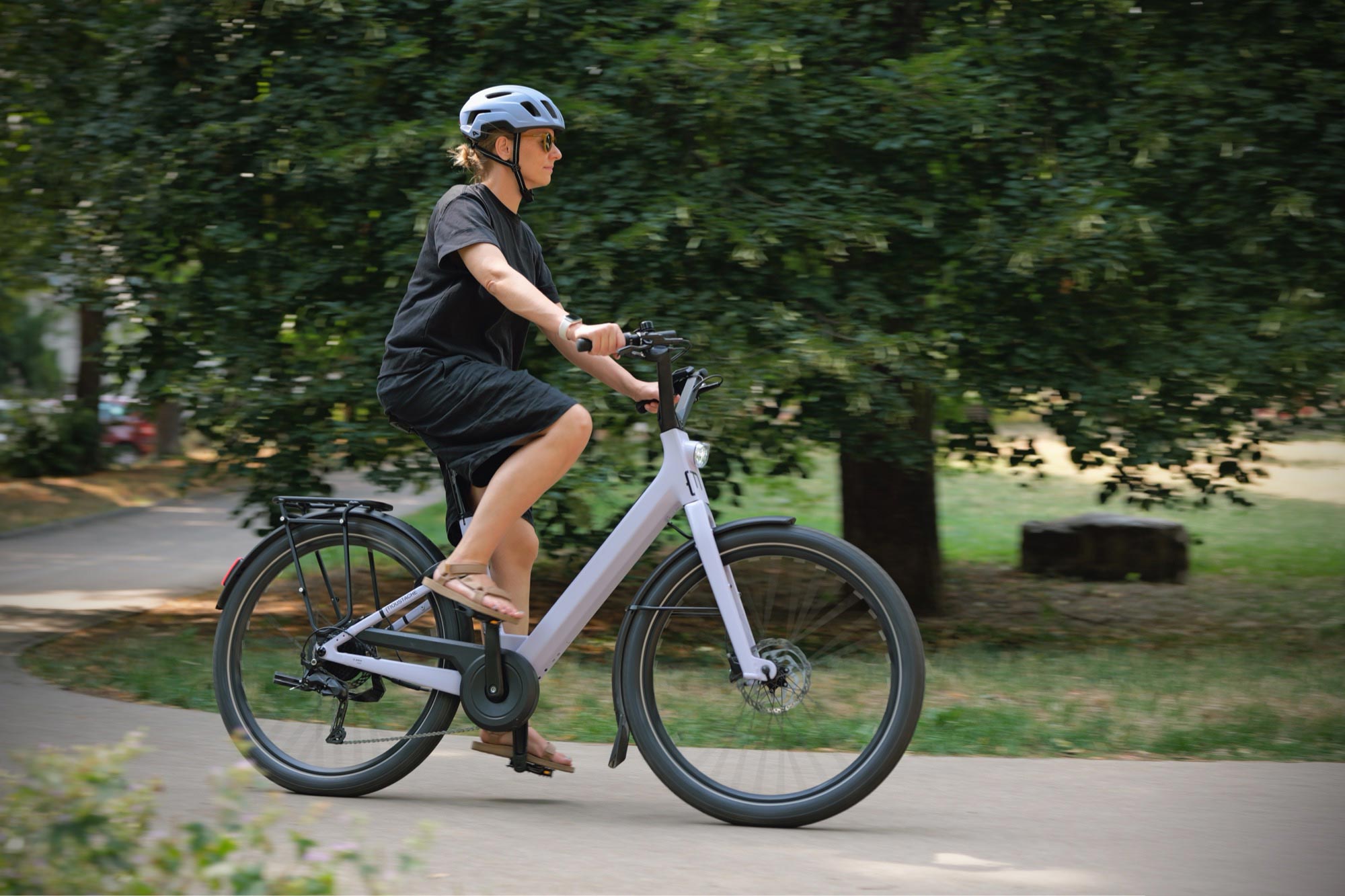
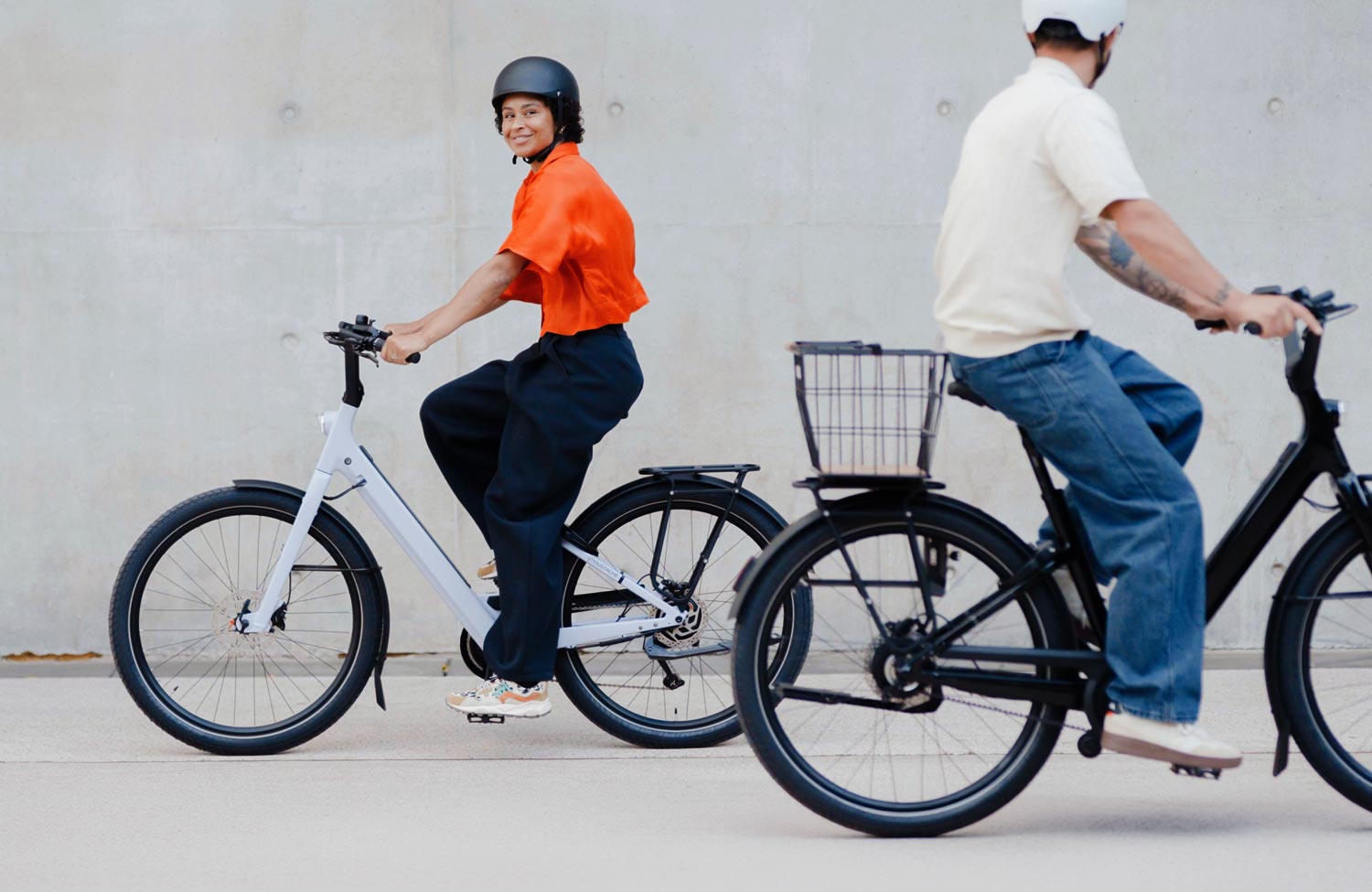
Times remain tough in the cycling industry. We only recently reported on the end of Fazua under Porsche’s umbrella, and now comes the next piece of bad news: the Estonian e-bike manufacturer Ampler has filed for bankruptcy. This is particularly regrettable because it is not just any brand that has been hit, but a true pioneer of modern urban e-bikes. Alongside companies such as Coboc, Ampler was one of the manufacturers that demonstrated early on that urban e-bikes could be sleek, lightweight and attractive – whilst at the time, other manufacturers were still predominantly offering bikes with heavy, clunky mid-drive motors and external batteries mounted on the rear rack.

Ampler, on the other hand, focused on slim frames, understated design and natural assistance – made possible largely by the hub motor in the rear wheel combined with a torque sensor. In the best sense of the word, these e-bikes were as simple as a bicycle – just with electric assistance. In doing so, the brand made a concept accessible to a wider audience, which has since long since become an established segment.


Nevertheless, they didn’t stand still: the model range launched in 2022 introduced modern features such as GPS tracking and a display elegantly integrated into the top tube. In 2025, Ampler also attracted attention when it introduced USB-C as a charging port for the first time – an idea that remains the exception in the e-bike sector to this day. So, in many ways, they got it right. This makes the question all the more pressing: why, then, does the story still end in bankruptcy?
A challenging market situation, individual problems
The answer probably lies less in the product itself than in the wider context. Bicycles and e-bikes are no longer selling as well as they did during the pandemic, when demand was at times almost impossible to meet. The entire industry continues to grapple with the fallout from that period – high stock levels, fierce discount wars and a significantly more cautious customer base are putting pressure on businesses in many places.

Ampler is unlikely to have been spared this trend either. Whilst the brand has offered good value for money for years, the market for lightweight urban e-bikes is now much more crowded than it used to be. Hub motors combined with torque sensors are now found in numerous models – including many cheaper alternatives. What was once a unique selling point is no longer a rarity.
There is another problem as well: as a relatively small direct-to-consumer retailer, Ampler has always had to fight just to be noticed. Ultimately, a good product alone is not enough if too few people know about it. And, at the end of the day, it’s the number of units sold that counts. Apparently, sales figures have recently fallen too low.
Ironically, even the prestigious flagship store in Berlin is said to have become part of the problem. According to media reports, a long-term lease is said to have placed an additional strain on the company’s financial situation and hastened its insolvency.

What Ampler customers need to know now
For current owners of an Ampler bike, a number of questions remain unanswered. So far, there has been very little information regarding the long-term availability of spare parts. This makes the situation somewhat more complicated than it appears at first glance. Technically speaking, Ampler bikes have deliberately remained close to the classic bicycle design and do without many exotic components.
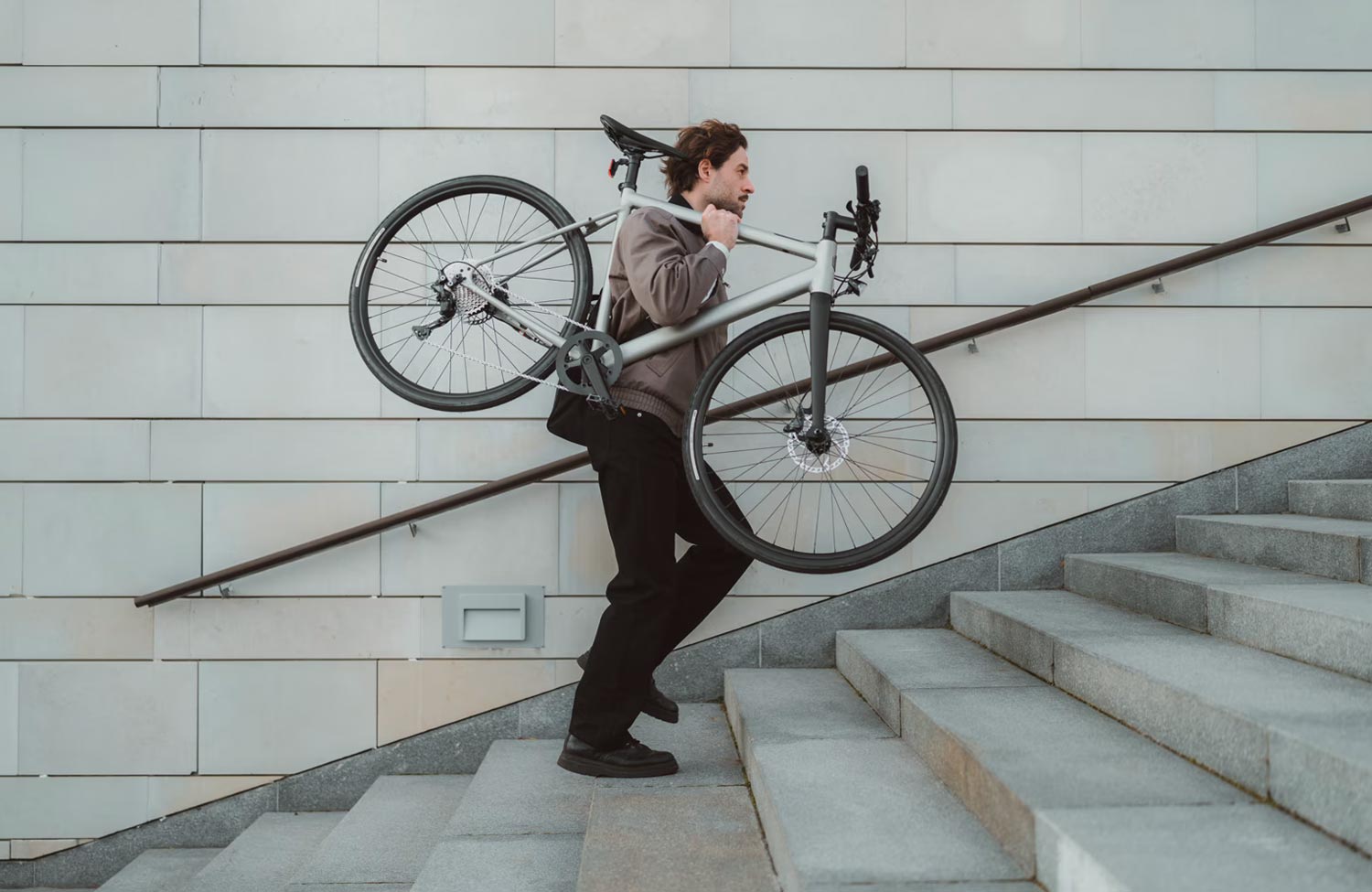
However, the electric drive system and parts of the operating and control system were developed in-house. If something fails in those areas, the fact that the bikes are similar to conventional bicycles is of only limited help. It is some small consolation that the bikes can at least still be used as normal bicycles. The company has, however, stated that it is working with the insolvency administrator to find solutions that will enable maintenance and support to be provided by third-party partners in future.
Hopes of a takeover?
Unfortunately, the bankruptcy of a bicycle brand is no longer an exception – but it does not necessarily spell the end. A look at VanMoof shows that a revival is certainly possible. Following its bankruptcy, the company was taken over and given a fresh start. Cowboy, too, was at one point considered to be in financial difficulty but now appears to be back on a more stable footing.
However, the situation at Ampler is somewhat different. Although the brand has a loyal community and currently enjoys a good reputation, it does not come close to having the same appeal as VanMoof or Cowboy. It therefore remains to be seen whether a buyer will come forward who recognises the brand’s potential and is willing to give it a fresh start.
Given the current uncertainty about the future, it is simply a shame that such a company is being affected. After all, Ampler not only recognised the trend towards lightweight e-bikes early on, but also played a key role in shaping it.