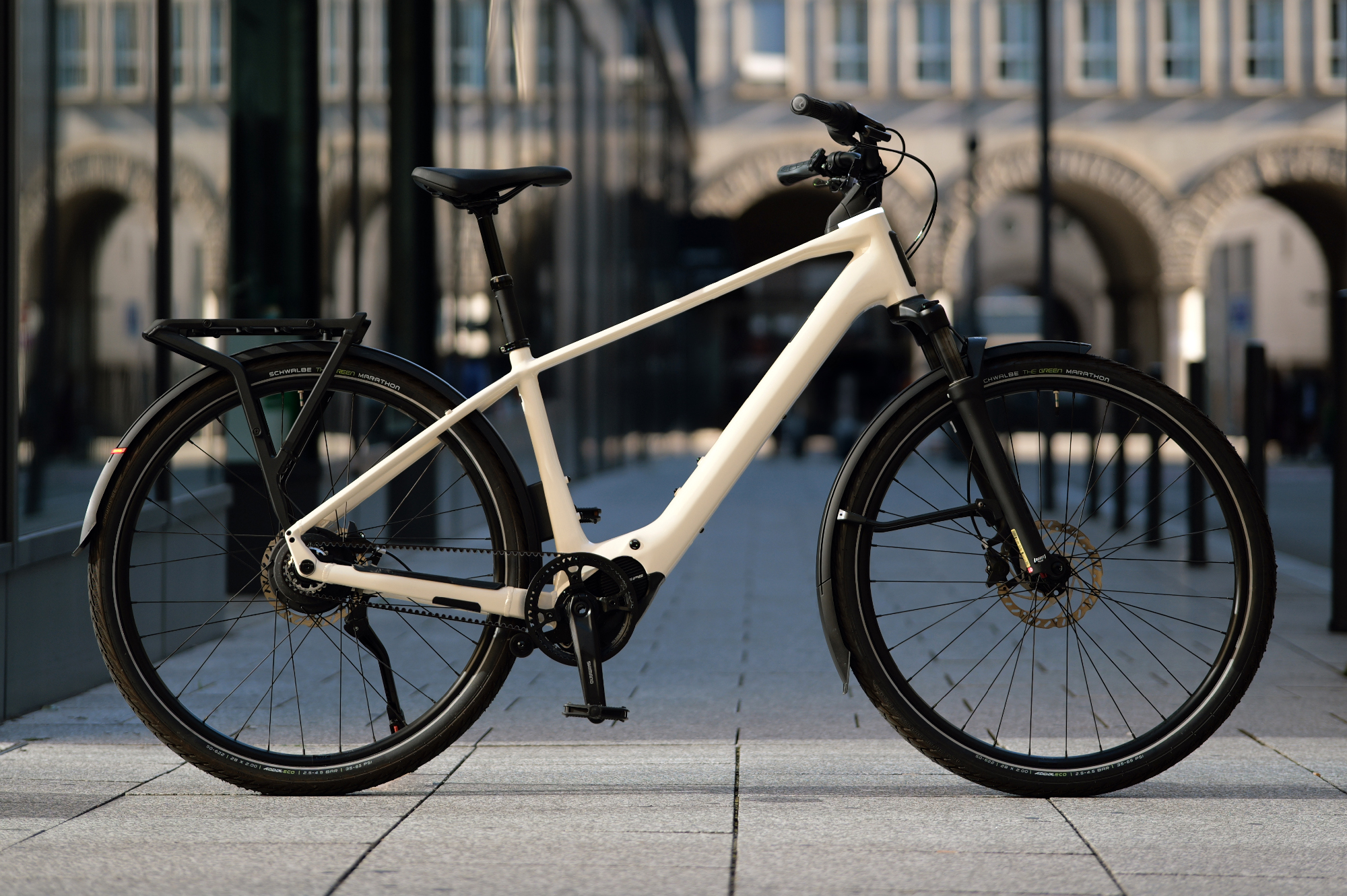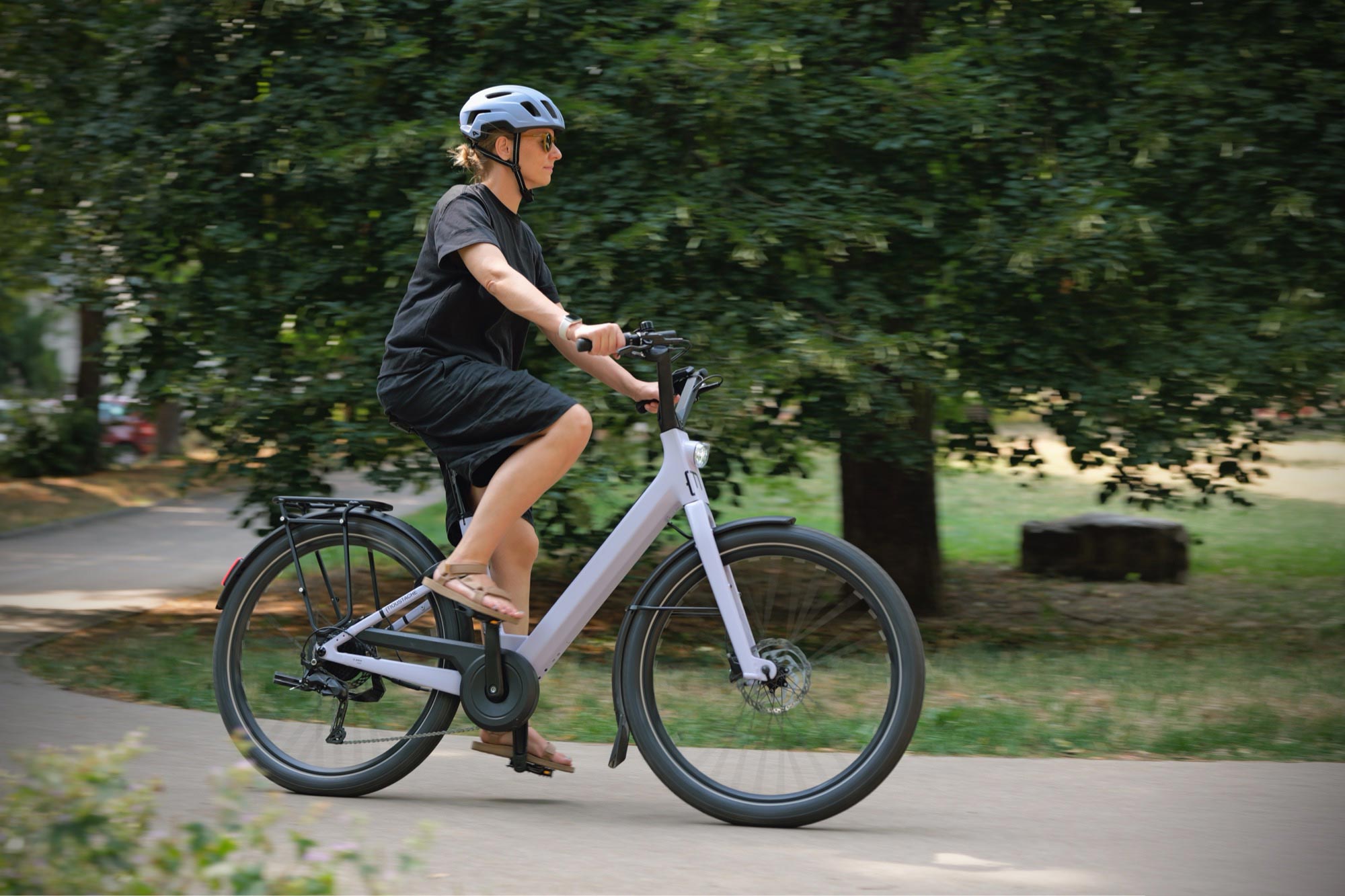
The Moustache Lundi has long been considered a classic amongst urban e-bikes – not least because of its distinctive design, which stands out clearly from the ordinary city bike and has remained virtually unchanged in its basic features since the first Lundi was launched in 2012. With the latest update, Moustache has not only revised the design from a technical perspective, but has also made the Lundi more attractively priced. But how much of its familiar character has been retained? And can the new Bosch hub motor hold its own against the previous mid-drive motor design? We put it to the test.
Design
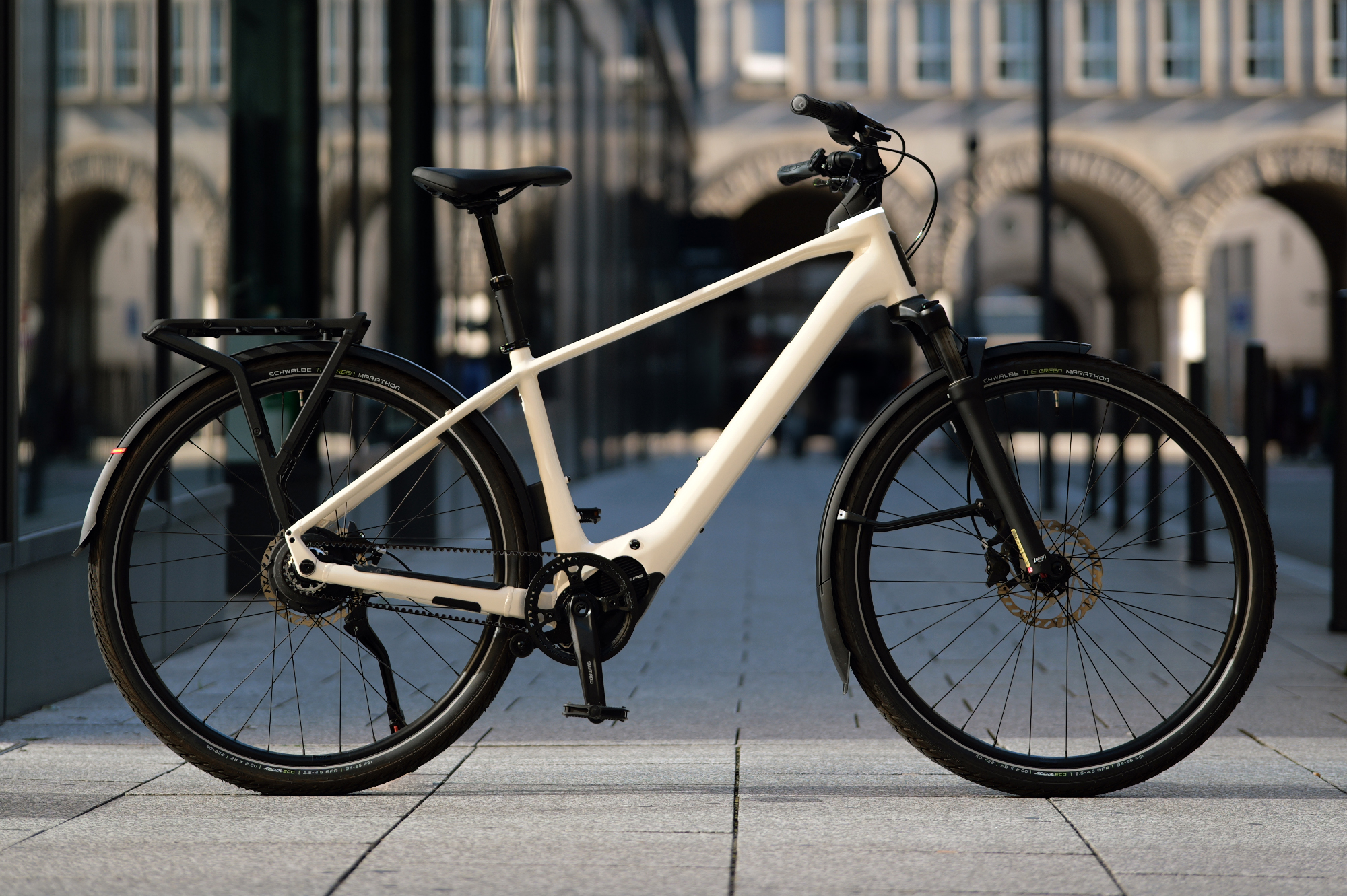
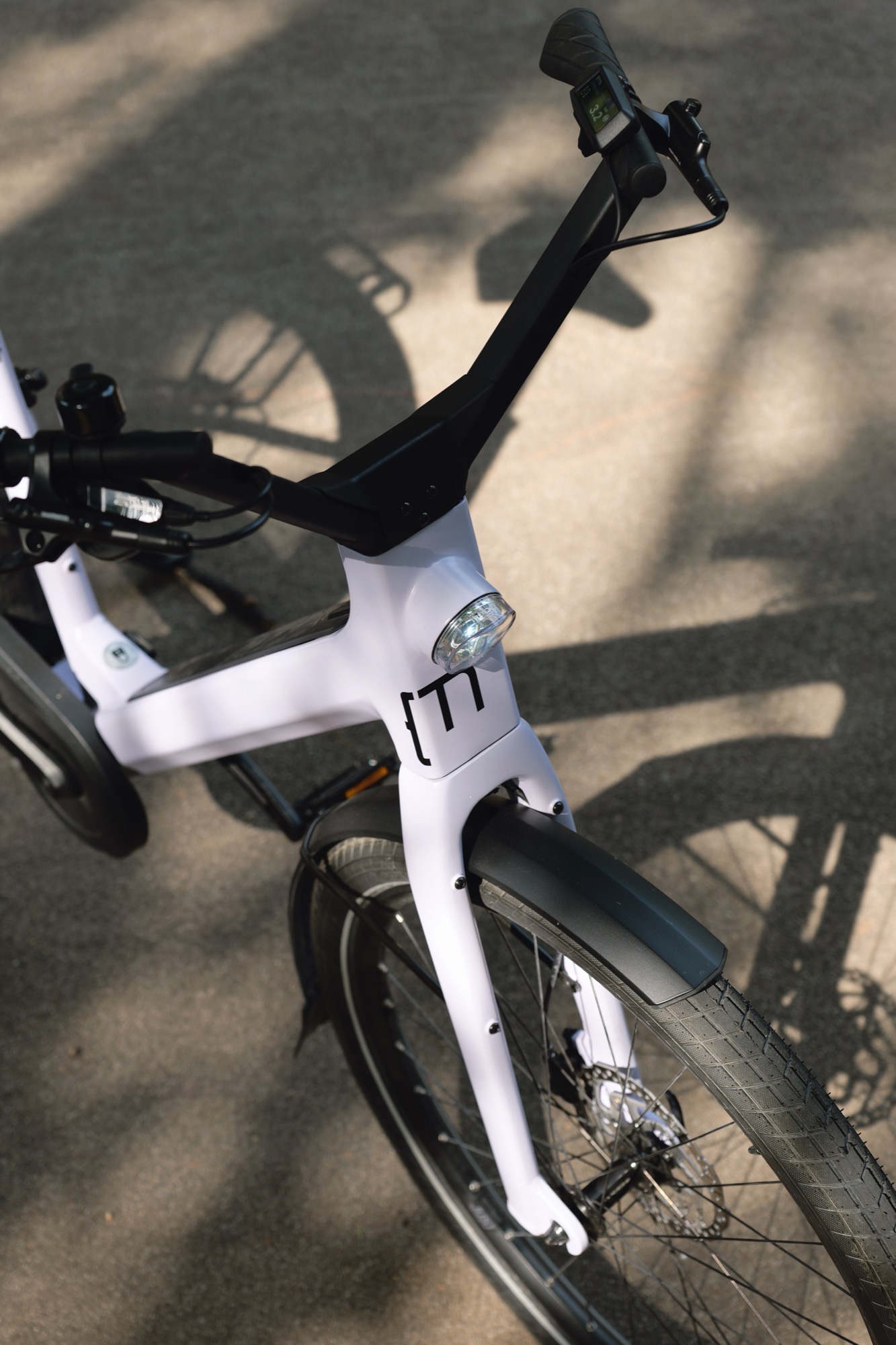
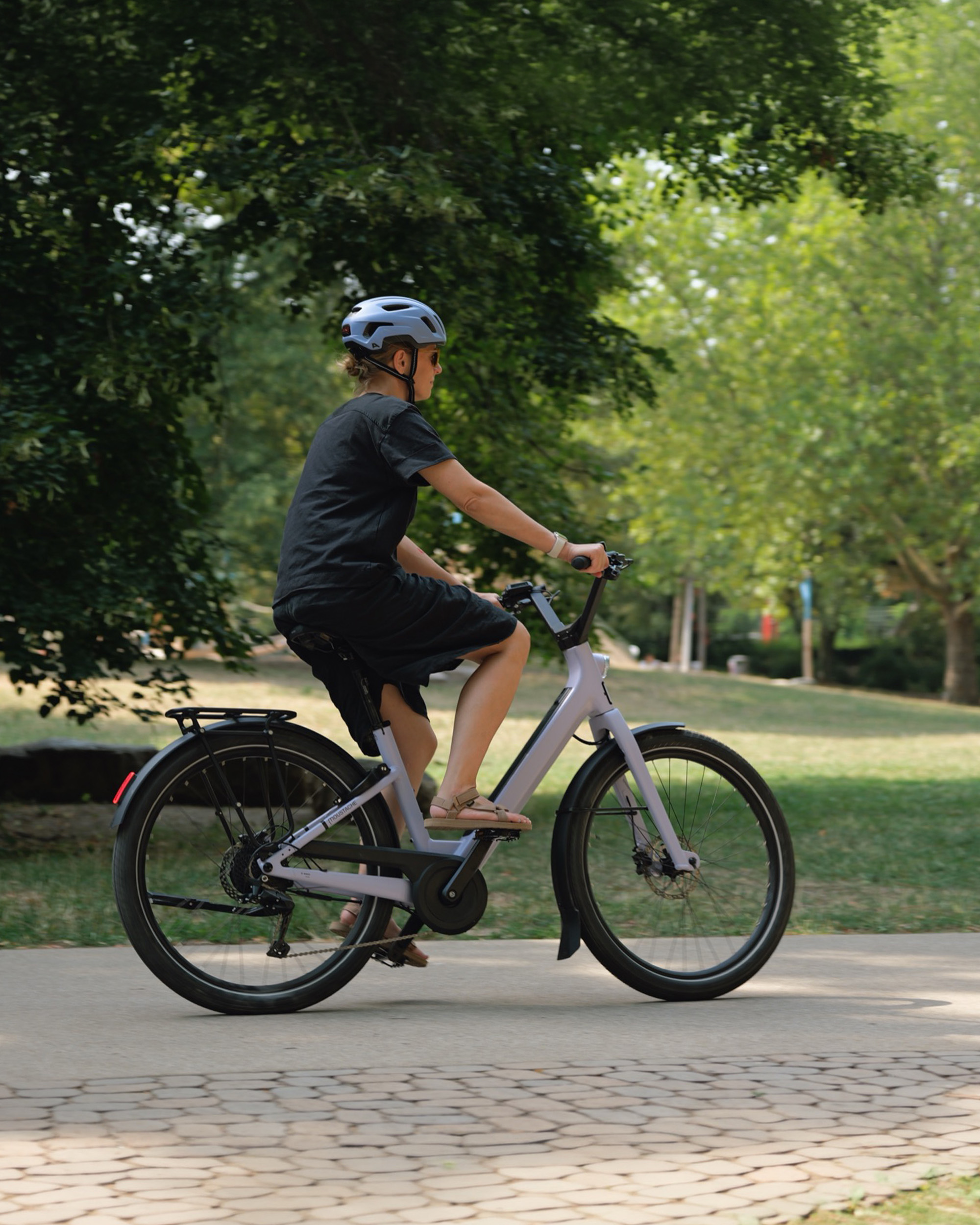
Don’t worry: the new Lundi also features all the characteristic details of its predecessors, meaning it continues to stand out clearly from the vast majority of ordinary city bikes. The tall, angular handlebars, which curve backwards, are just one of its most striking features. Equally distinctive are the boldly shaped head tube and the round headlight integrated into it – details that have given the Lundi its unmistakable look for years.
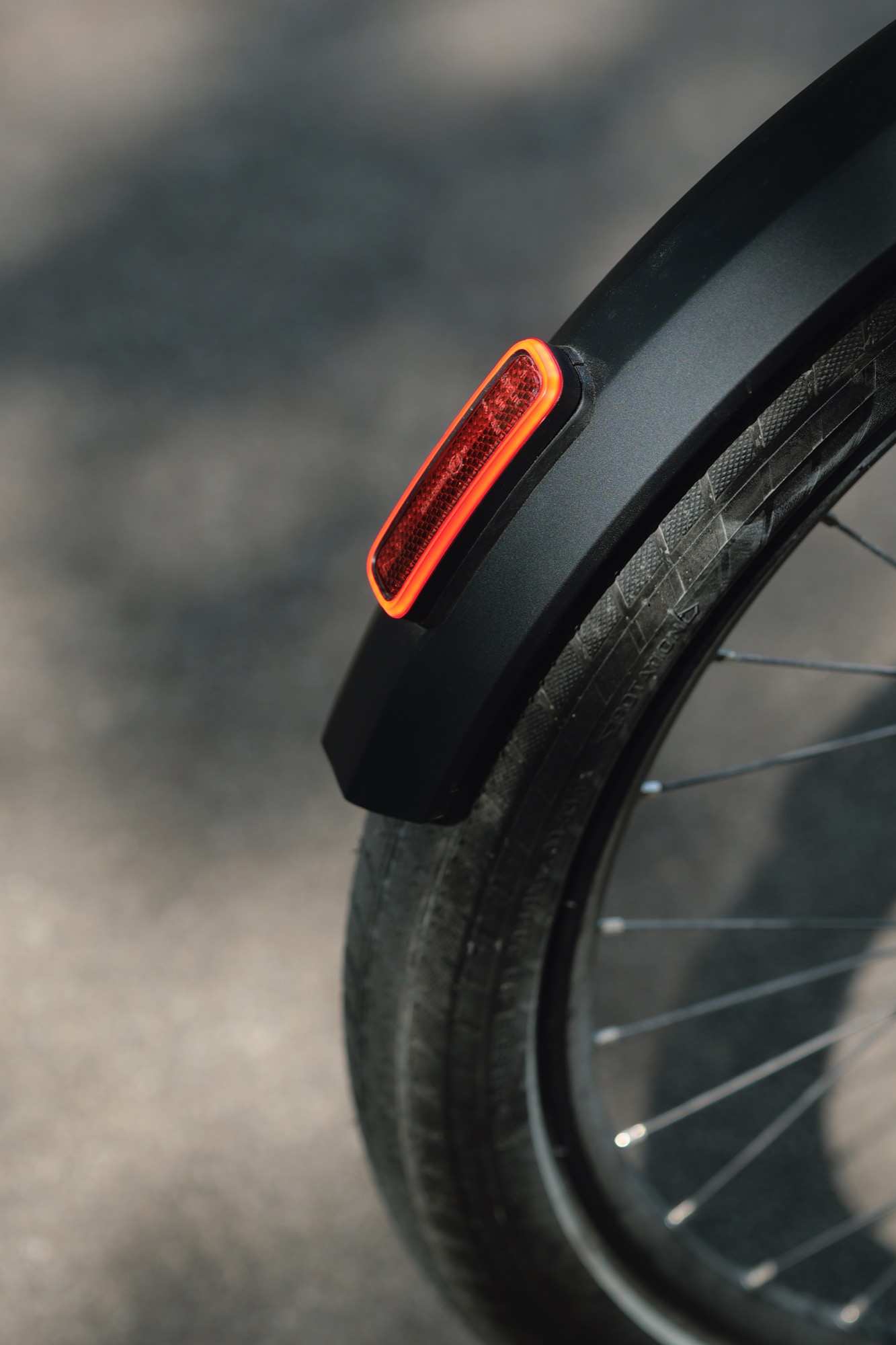
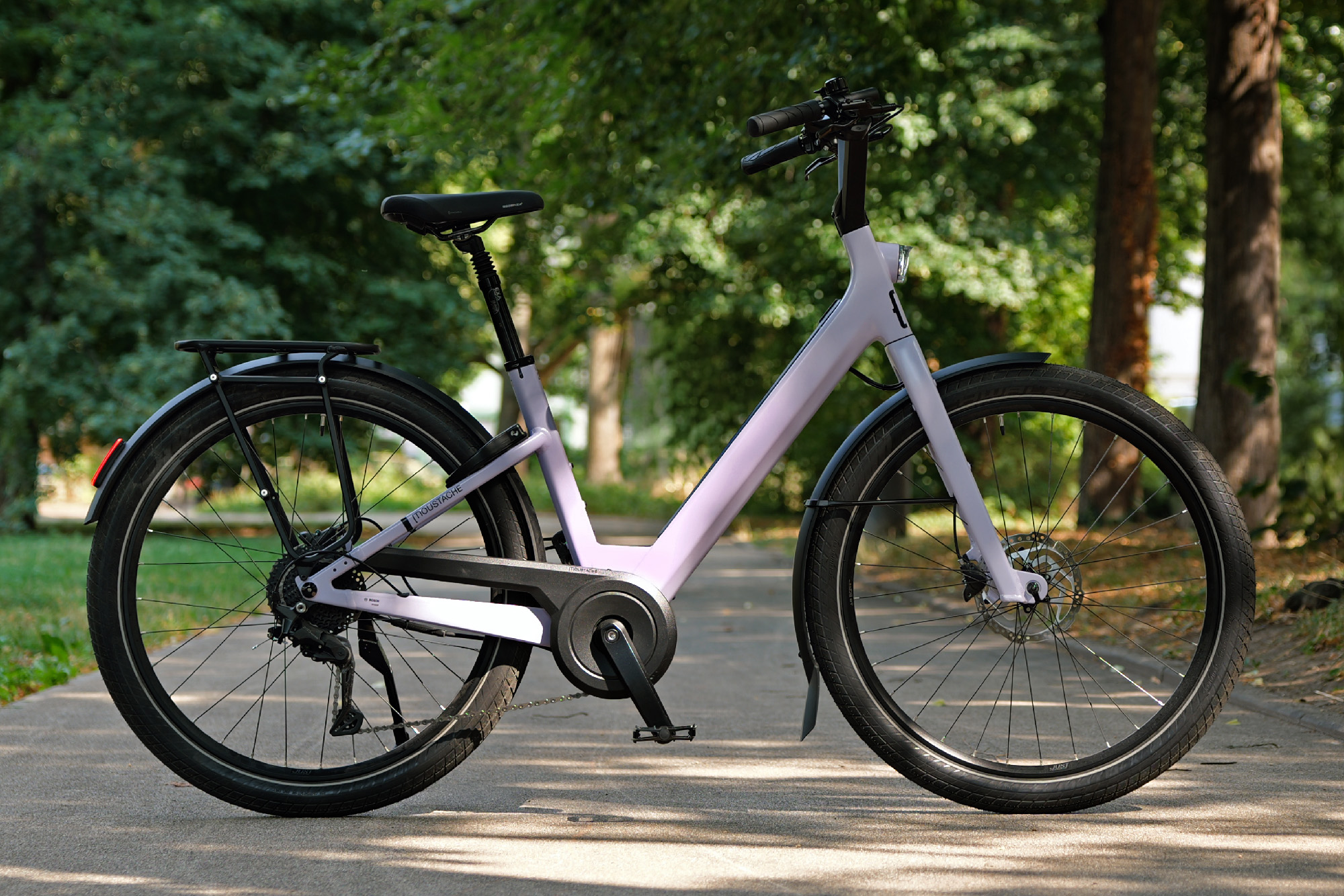
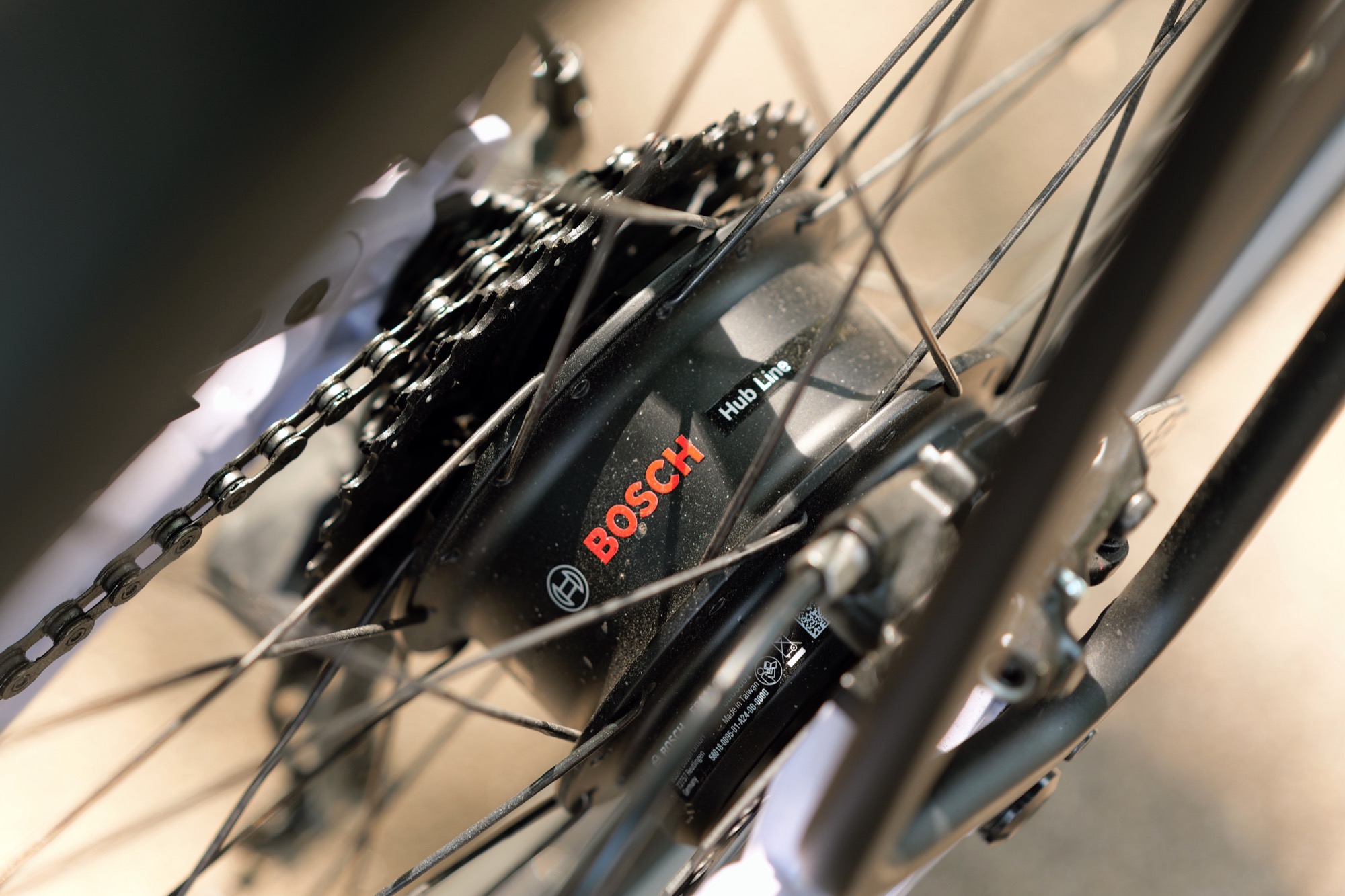
A particularly successful feature of the new version is the comparatively slim down tube. Although it still houses a removable battery, this makes the frame look considerably more delicate than before. The motor itself is also barely visible, as it is discreetly housed in the rear wheel hub. Our test bike in Matt Lavender suits the Lundi exceptionally well, particularly as the otherwise entirely black components stand out clearly against the modern colour. Another lovely detail is the new rear light, which now nestles elegantly against the rear mudguard.
It’s clear from the very first glance: this new model is every bit a Lundi – at least as far as its distinctive appearance is concerned.
Features
When it comes to the drive system, however, Moustache is breaking new ground by opting for Bosch’s new Hub Line for the first time. The compact hub motor in the rear wheel delivers a torque of 45 Nm, which is typical for this class of drive system. Another new feature is the PowerTube 360, unveiled alongside the Hub Line, which has a capacity of 360 Wh.
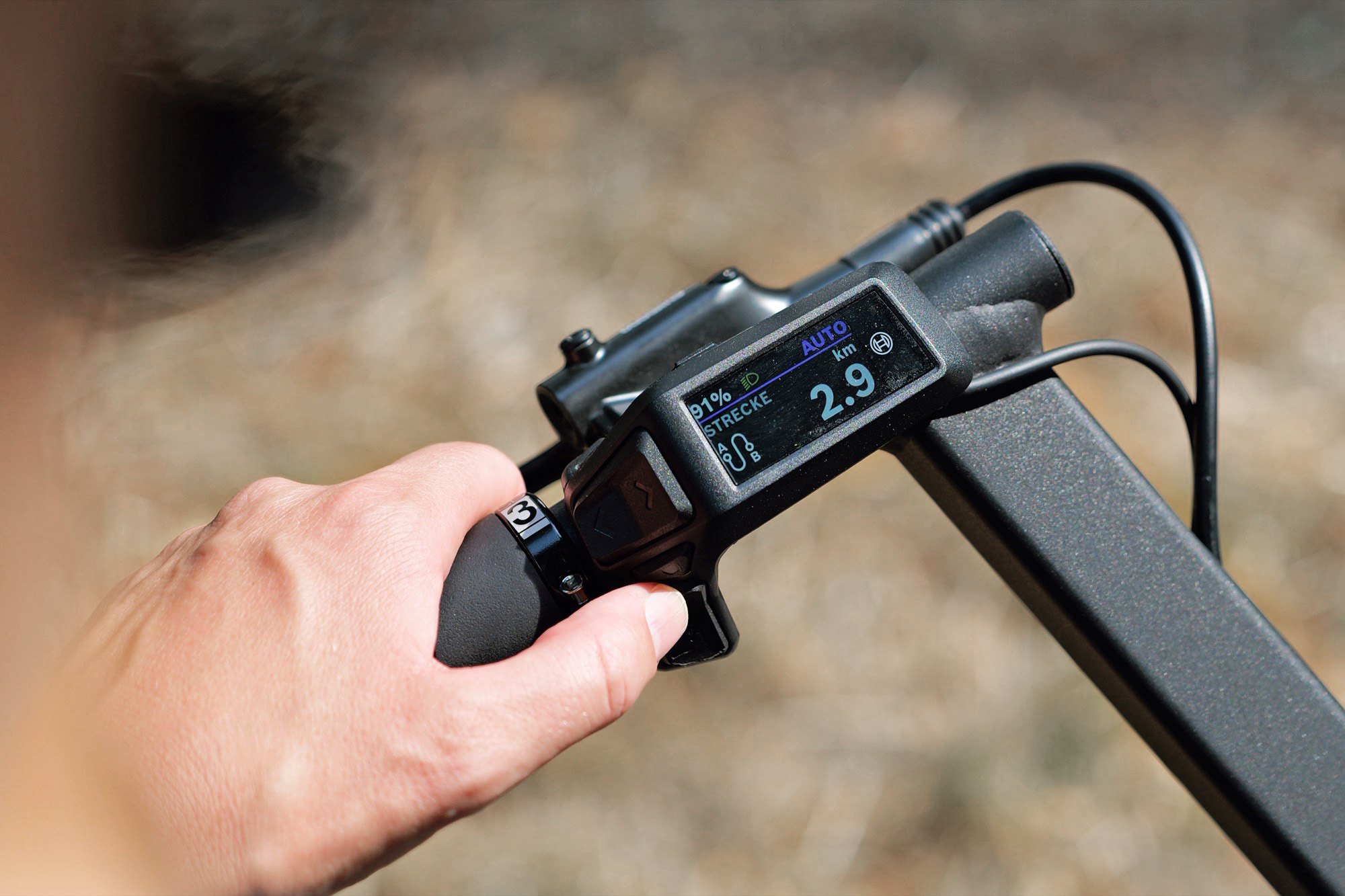
At first glance, that might not sound like much, but it’s perfectly suited to the typical use of a classic city bike, which is usually ridden over shorter distances. Above all, the battery can still be removed from the bike and charged wherever you are – an advantage that should not be underestimated, particularly in everyday urban life. The electric drive is controlled via Bosch’s Purion 200 on the handlebars, which combines the display and control buttons in a compact unit and remains one of our favourites in the Bosch range.
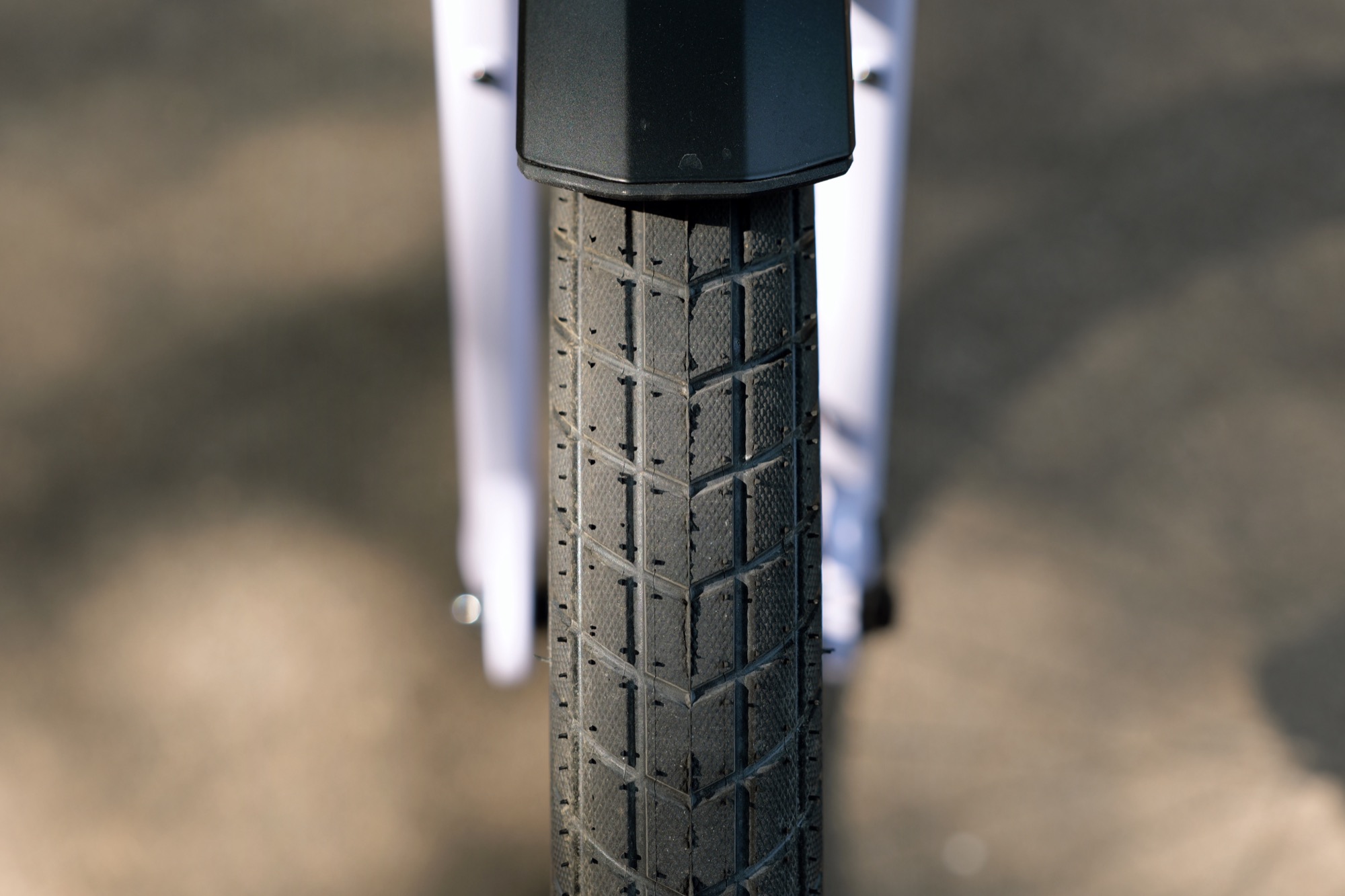
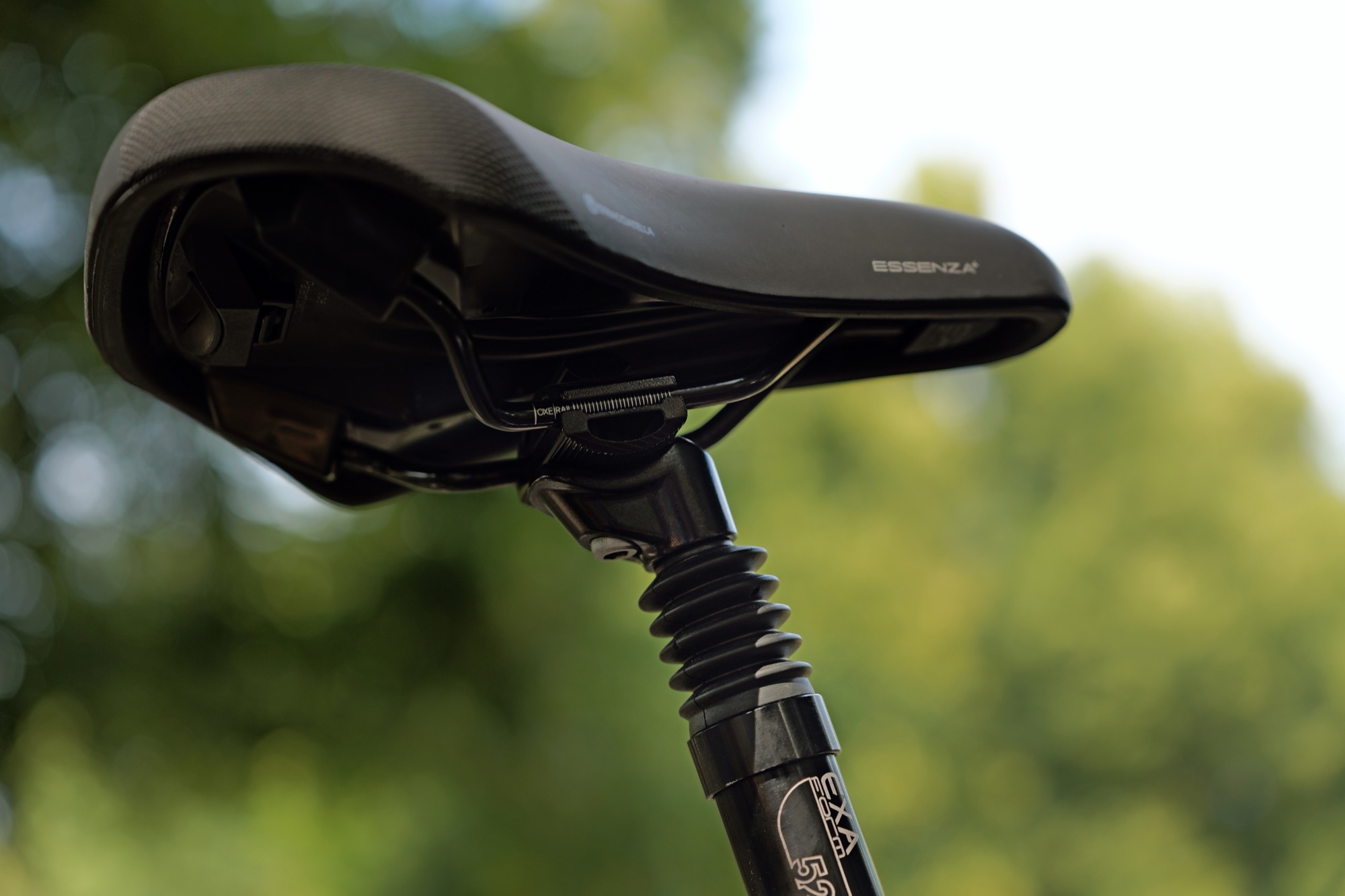
The typical Lundi design also features a rigid fork. Instead, the exceptionally wide Schwalbe Super Moto-X tyres – 60 millimetres wide in the 27.5-inch size – are designed to provide the necessary comfort. A suspension seatpost is also fitted, which plays an important role, particularly given the very upright riding position.
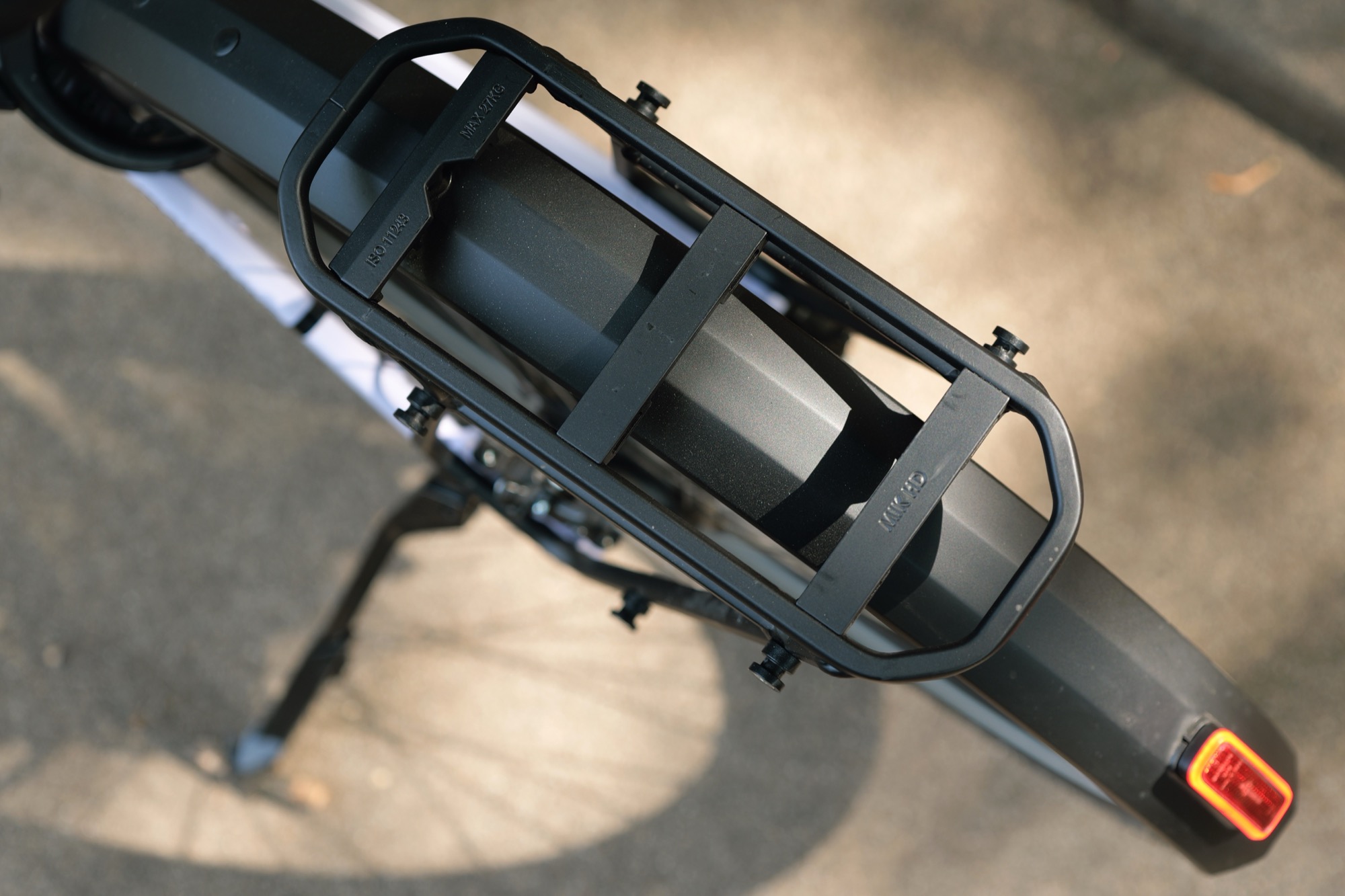
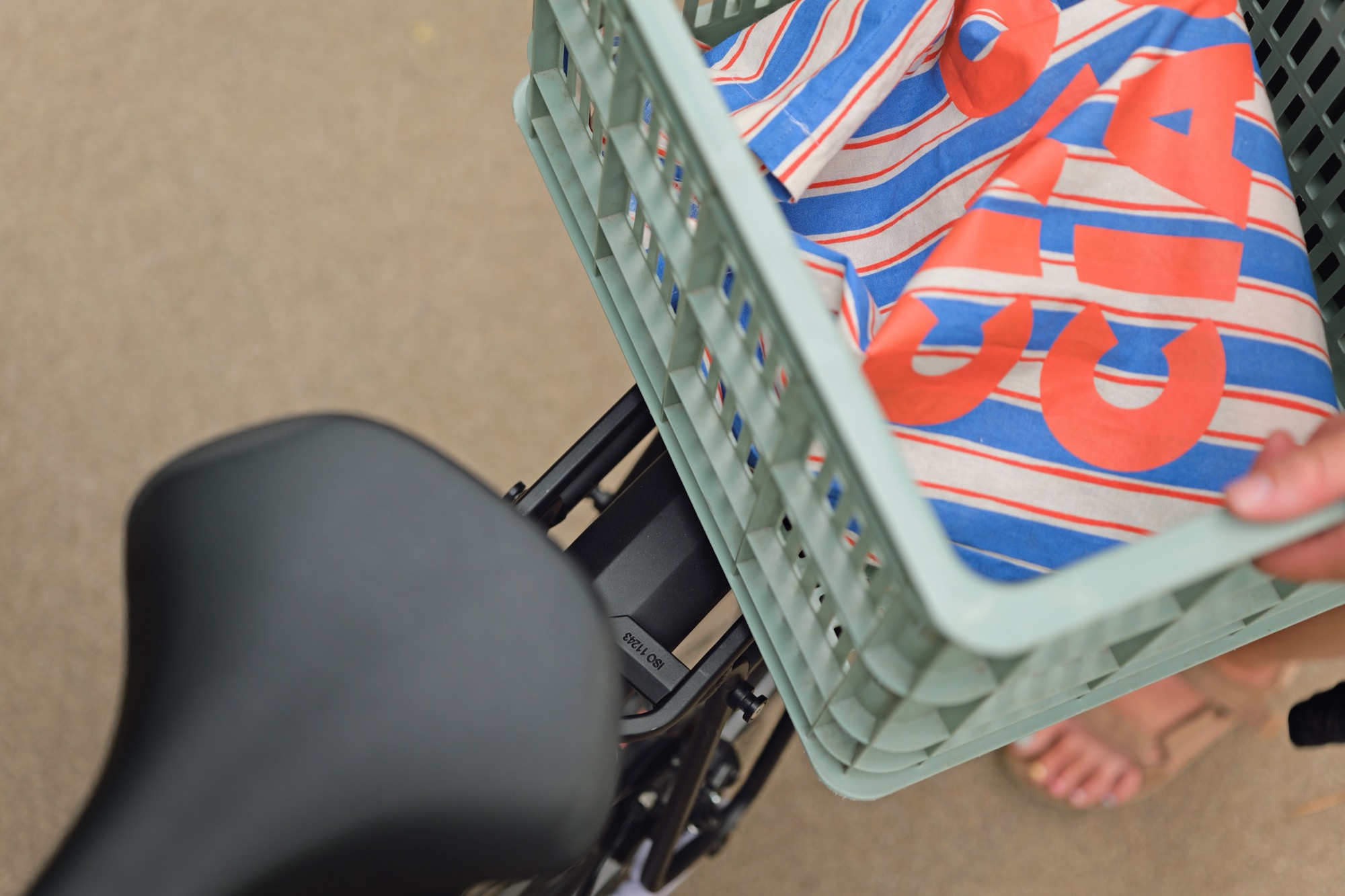
Beyond that, the Lundi is comprehensively equipped for everyday use. Sturdy aluminium mudguards, a rear stand and the integrated lighting system are all fitted, as is a luggage rack with the MIK HD system. Baskets, boxes or even compatible child seats can be easily clipped onto it, and the rack is designed to carry up to 27 kilograms. Of course, traditional panniers can also be attached to the sides.
However, the extensive equipment is reflected in the weight: our test bike tips the scales at a good 24 kilograms. Nevertheless, this is a significant improvement on its mid-drive predecessor – the Lundi 27.6 we tested in 2024 weighed 28.5 kilograms.
Operation
We already know from other tests that Bosch’s drive system is easy to use whilst still offering plenty of options for personalisation. It’s great to see that this remains the case with the new Hub Line. The Purion 200 displays the most important ride information in a compact format, whilst the various assistance levels can be conveniently switched using the integrated buttons.
However, our recommendation here too is the Auto mode, which automatically adapts the assistance to the current driving situation. It works so effectively that, in everyday driving, you’re hardly ever tempted to switch between driving modes manually at all.
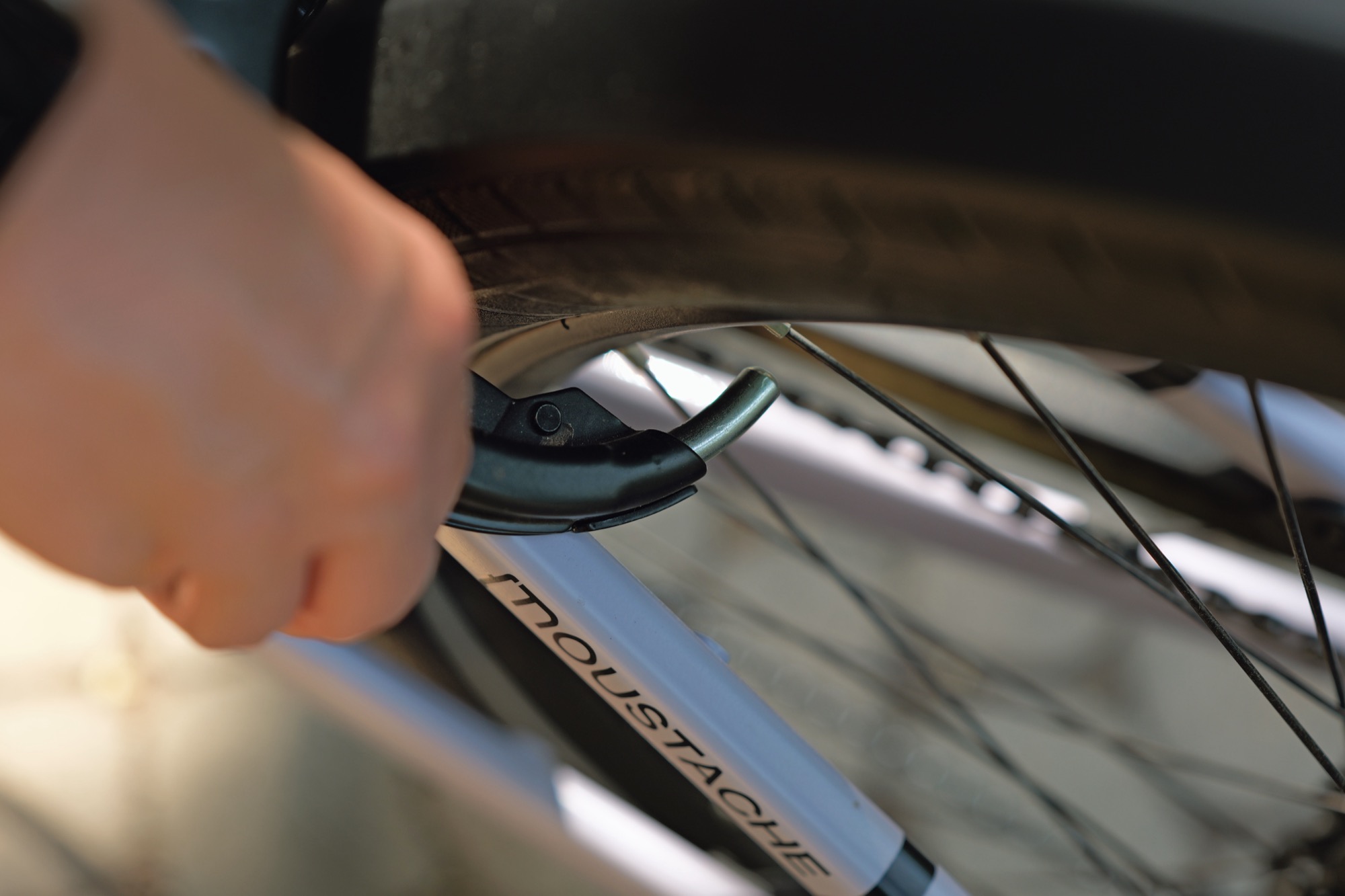
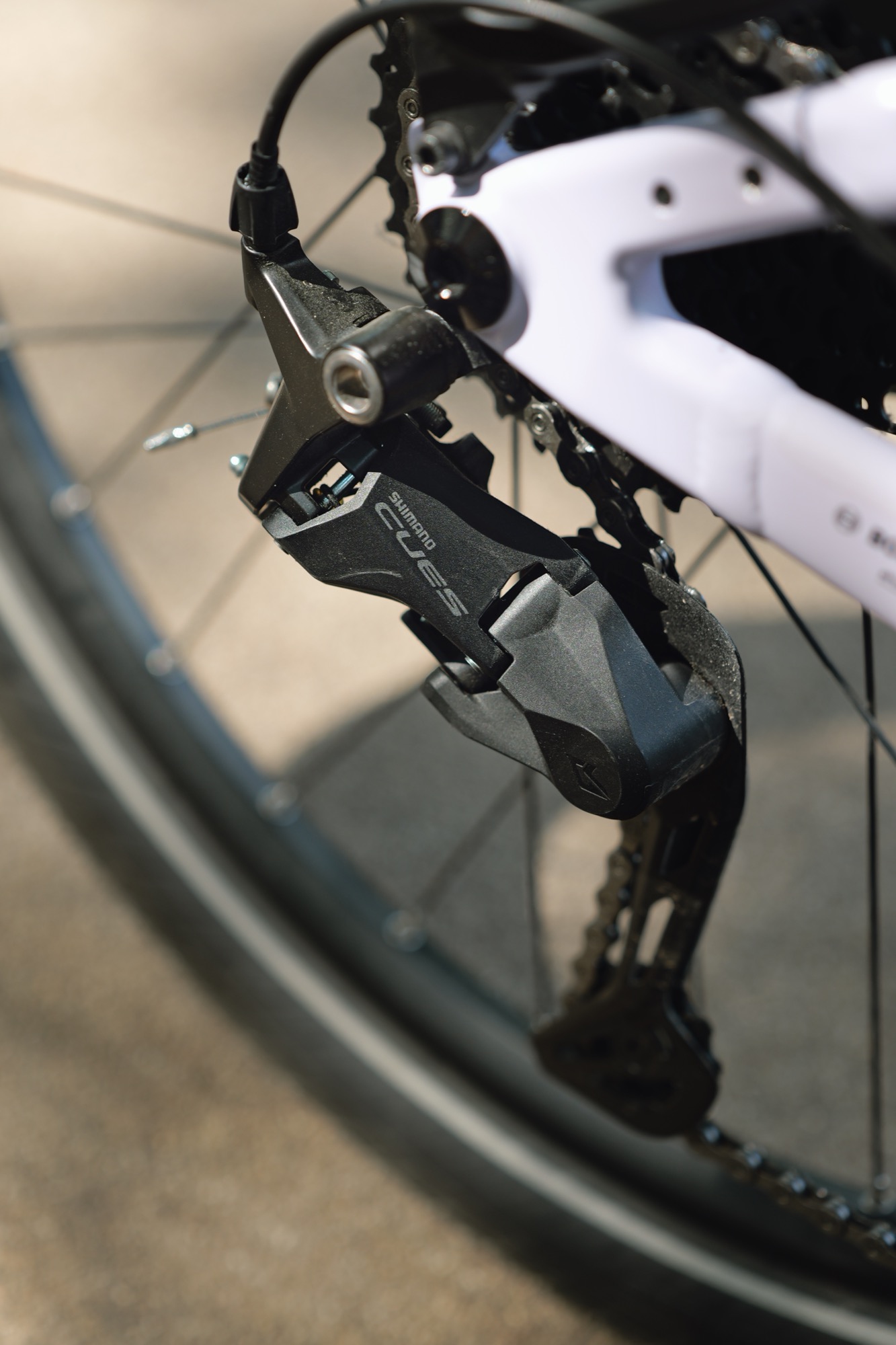
The derailleur on our test model from Shimano’s latest Cues series operates reliably, is sufficiently fast and is pleasantly quiet. This also highlights a fundamental advantage of the hub motor: its additional power is applied directly to the rear wheel and does not first have to be transmitted through the derailleur. Consequently, there is none of the sometimes loud clunking sound that can be heard when shifting under high motor load, as is the case with some mid-drive systems.
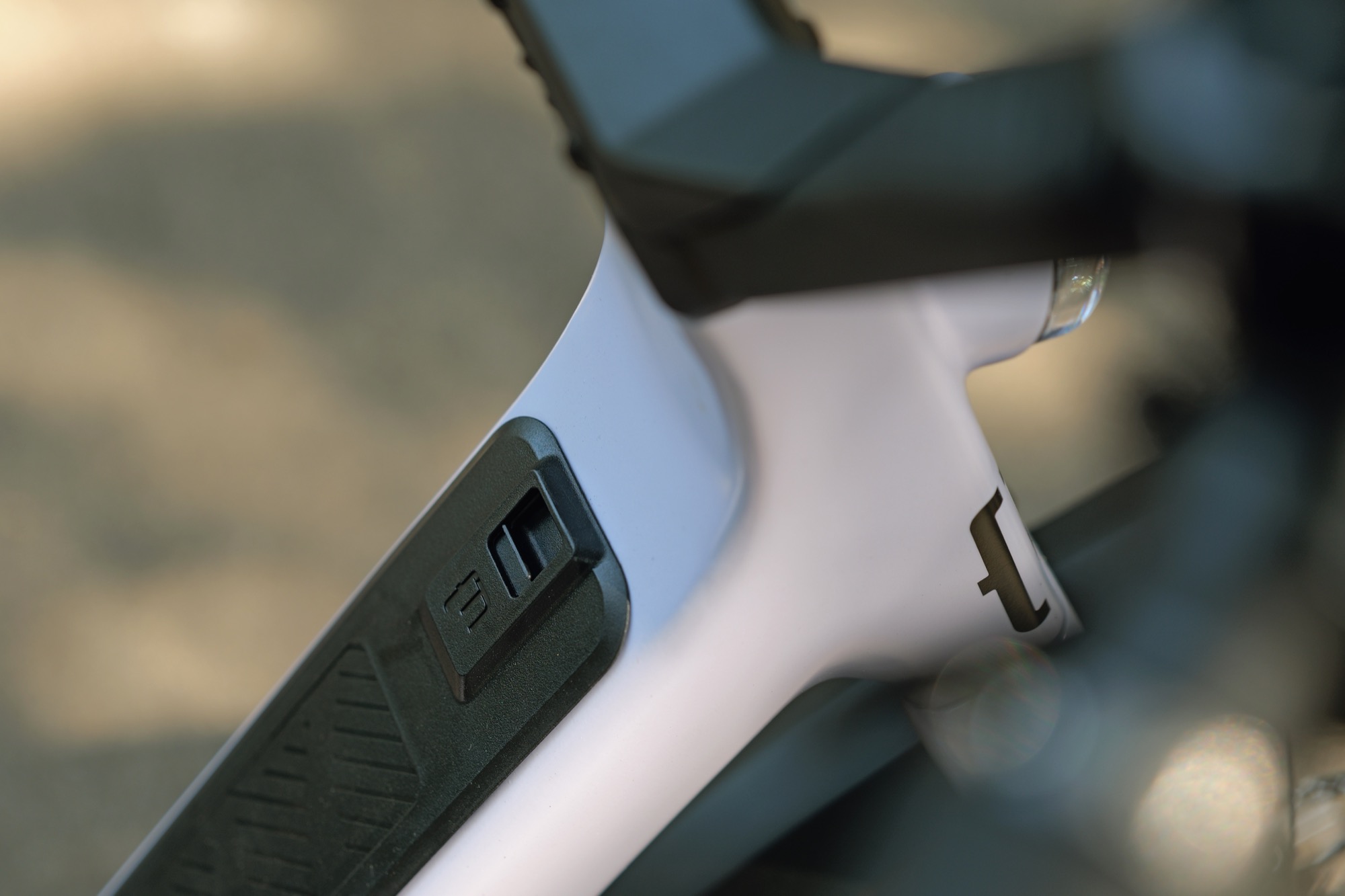
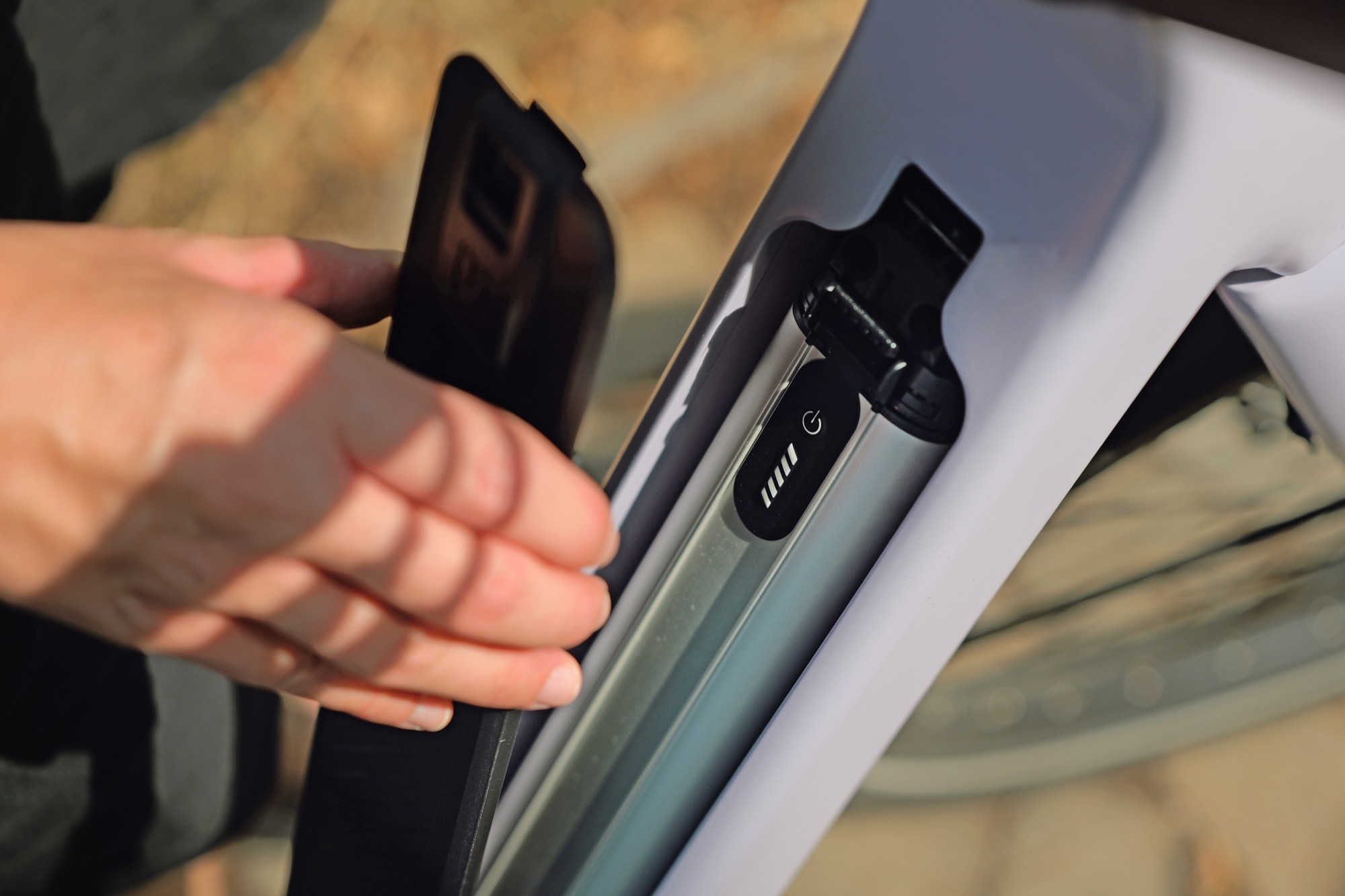
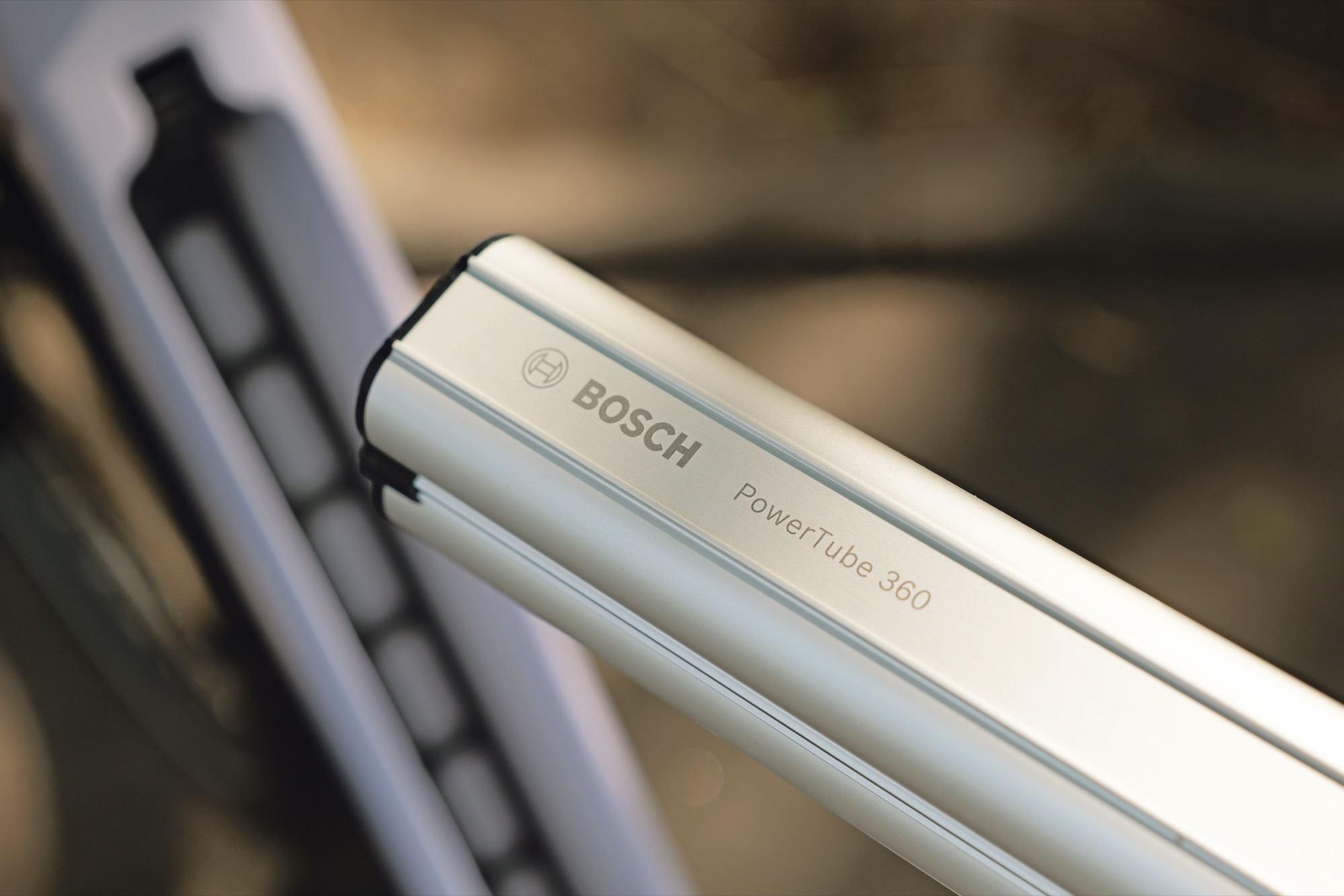
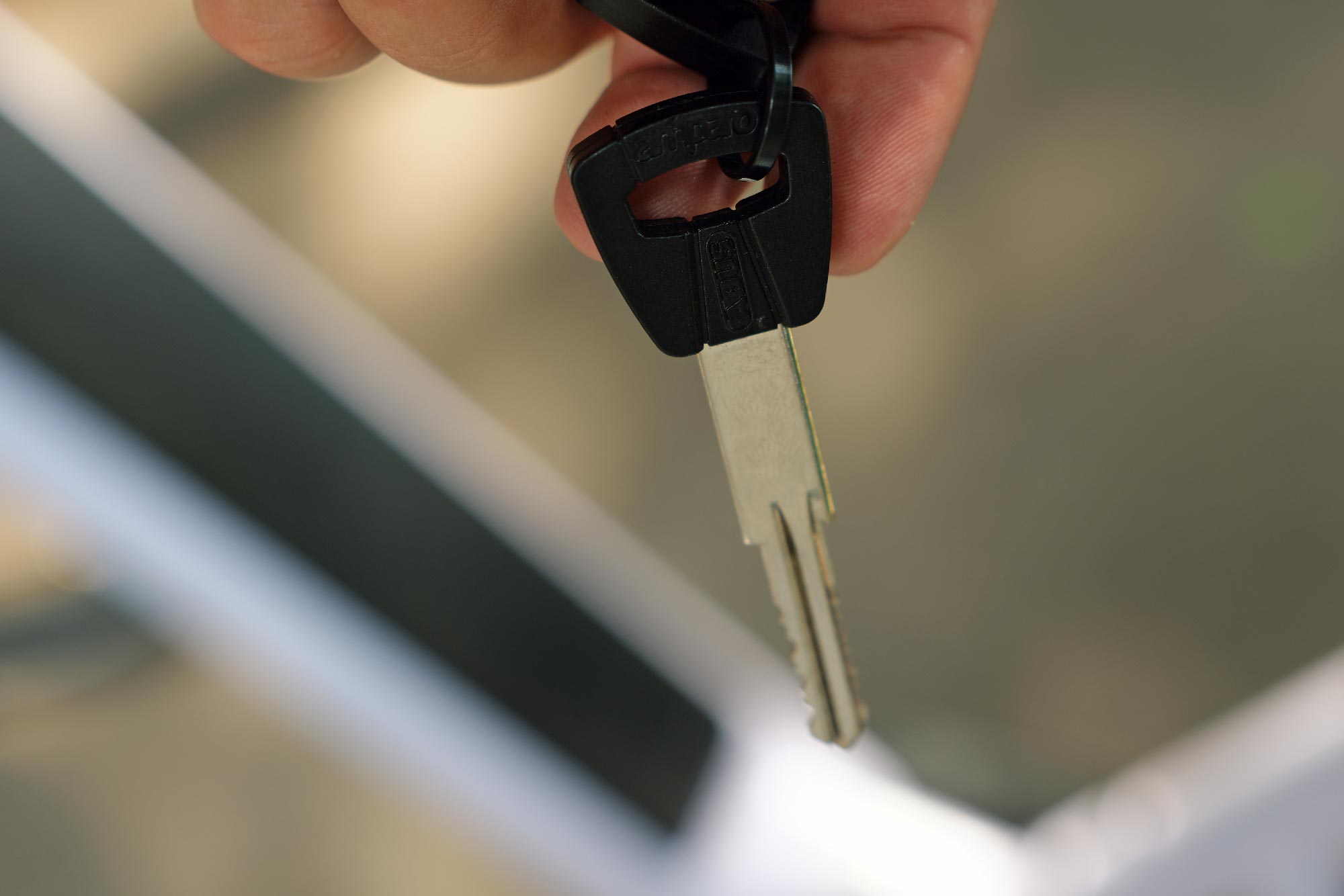
Handling the battery is also delightfully straightforward. The compact PowerTube 360 is removed from the down tube by lifting it upwards. Reinserting it is also hassle-free. The opening is then sealed with a simple plastic cover – nothing special, but functional and perfectly adequate. It’s also handy that the battery’s lock fits the frame lock as well. This saves you having to fiddle about with different keys. Of course, the battery can also be charged directly whilst the bike is in use. The socket for this is located above the bottom bracket and is protected by a rubber cover.
Ride impressions
An exceptionally upright riding position, good visibility of the traffic and a high level of comfort – that’s exactly how we know the Lundi. However, this also requires a drive system that provides enough assistance to cruise through the city in a relaxed manner and without much effort. It was therefore particularly intriguing to see whether the new and significantly more compact hub motor could fulfil this role just as convincingly.
The short answer is: yes, it can. During our test rides, the Hub Line impressed not only on flat terrain but also on routes with some fairly steep climbs. The assistance was sufficient to allow you to stay comfortably in the saddle even there. Of course, the derailleur plays a major part in this, as it allows you to select the right gear ratio to suit the climb. With the singlespeed drivetrain, which is also available, things are likely to become correspondingly more challenging on steeper sections. So, if you don’t have to tackle long climbs all the time, you’ll certainly be happy with the hub motor – but if, on the other hand, you regularly cover a lot of elevation gain or ride long climbs, you’ll still be better off with a more powerful mid-drive motor.
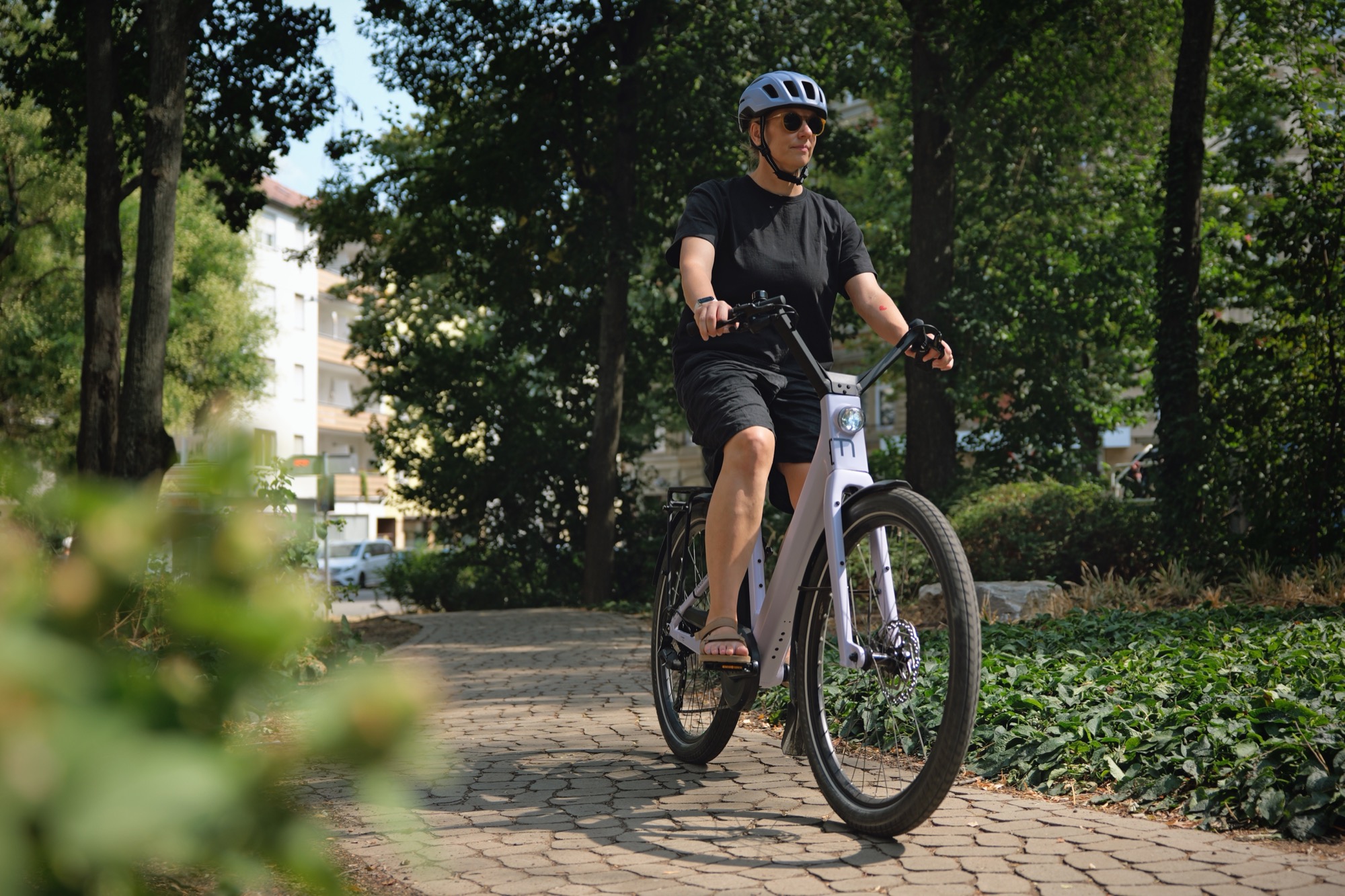
Once again, we were particularly impressed by the Auto mode. It provides powerful assistance when it’s actually needed, but stays pleasantly in the background as soon as you’re just cruising along at a leisurely pace. It’s precisely this set-up that suits the Lundi’s laid-back character so well.
In Turbo mode, however, a distinctive feature of the Hub Line becomes apparent. As Bosch has omitted a torque sensor here, the motor does not respond directly to how hard you are pedalling. In the most powerful riding mode, it can therefore happen that even a gentle turn of the cranks triggers a surprisingly strong level of assistance. Anyone wishing to make rapid progress with as little effort as possible and minimal input of their own might well see this as an advantage – though, of course, it doesn’t feel particularly natural.
However, this isn’t a major issue in everyday use, as the behaviour is only really noticeable in Turbo mode. Auto mode, on the other hand, masks the lack of a torque sensor much more skilfully and provides a significantly smoother, more bike-like level of assistance. As such, it’s hardly a cause for criticism in normal city traffic.
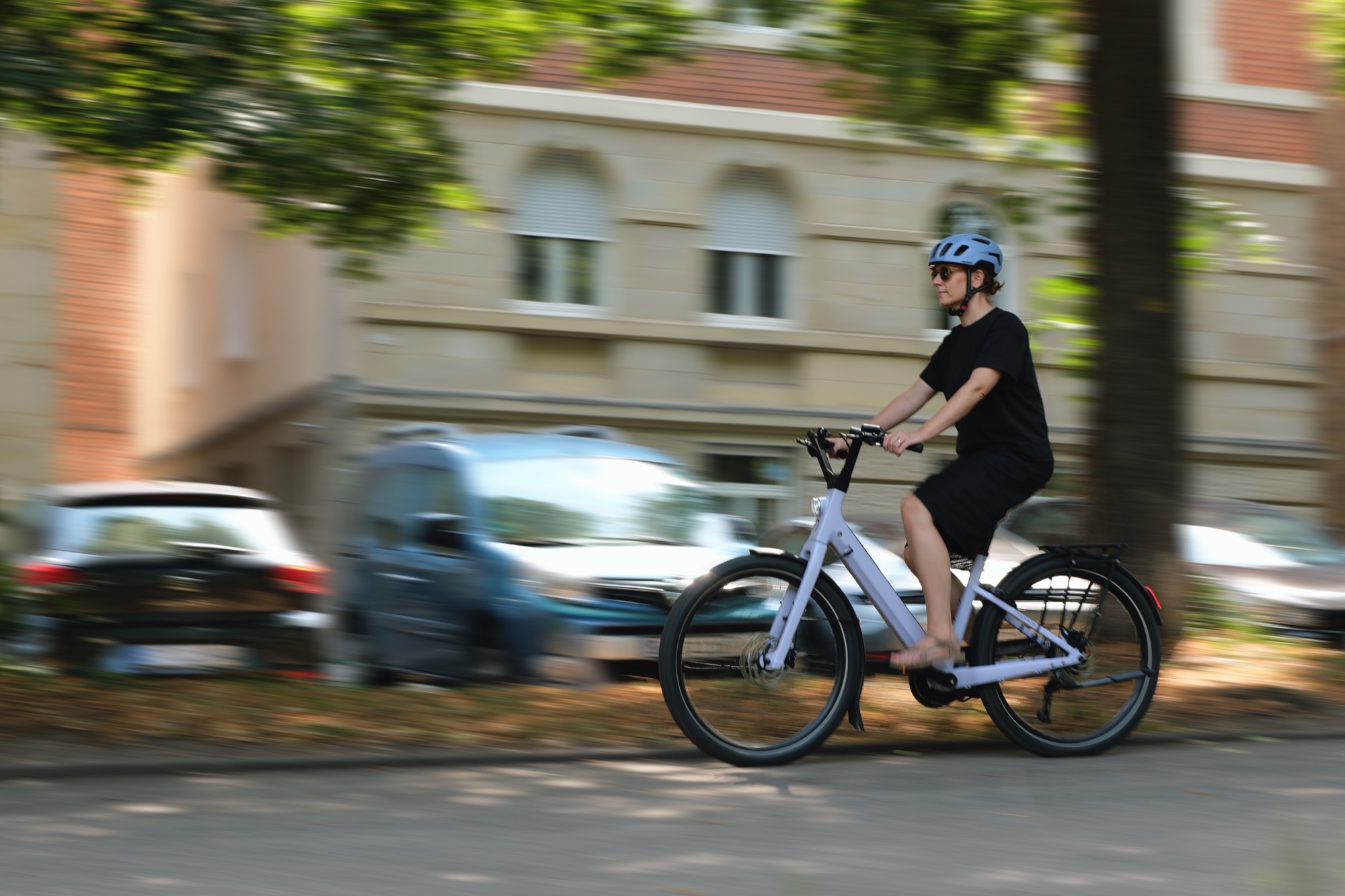
When it comes to comfort, the exceptionally wide tyres really come into their own. Thanks to their large volume, they can be ridden at moderate tyre pressure, effectively filtering out many of the usual bumps encountered in city traffic. In our view, however, the suspension seat post is even more important. Partly because of the very upright riding position, hard bumps would otherwise be felt quite directly in the back – the suspension provides noticeable relief here.
Another typical Moustache feature is the overall very solid ride feel. Even on rougher terrain, the Lundi remains composed; nothing rattles or feels unnecessarily twitchy. Combined with the upright riding position and the comfortably shaped handlebars, this creates a safe, relaxed riding experience that suits the bike’s character very well.
Conclusion
The new Lundi remains the friendly, characterful city bike we’ve come to expect from Moustache. Its design is still in a class of its own and has actually been enhanced by the more compact drive unit and the sleeker down tube. Above all, however, it’s clear that the switch from a mid-drive motor to a hub motor does not detract from the underlying concept.
After all, Bosch’s Hub Line is a perfect match for this bike: it offers plenty of assistance for city riding and, thanks to the derailleur, can handle even more challenging climbs, whilst the overall weight is significantly lower than that of the previous mid-drive model. The removable battery, the practical luggage rack and the full range of everyday features also make it clear that, despite its distinctive design, the Lundi is far more than just a stylish lifestyle bike.
All in all, the new Lundi 27 is perhaps more appealing than ever – because, in addition to its distinctive design and successful revamp, it now comes with a delightfully affordable price tag of 2,399 euros. This should bring this classic model within reach of a much wider audience.
You can find more information about the new Lundi and the various trim levels in our in-depth article on the new edition as well as directly on the Moustache website.