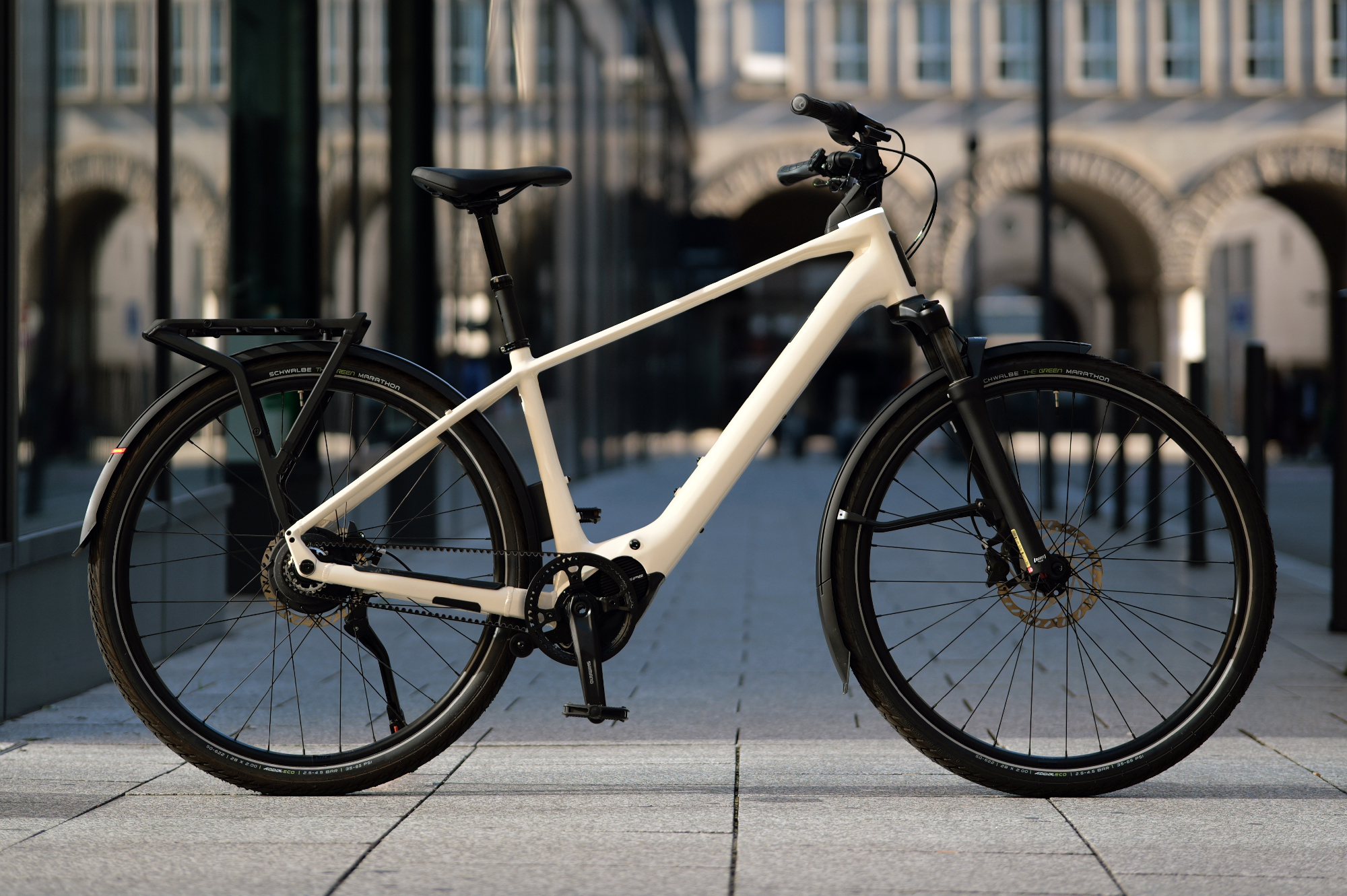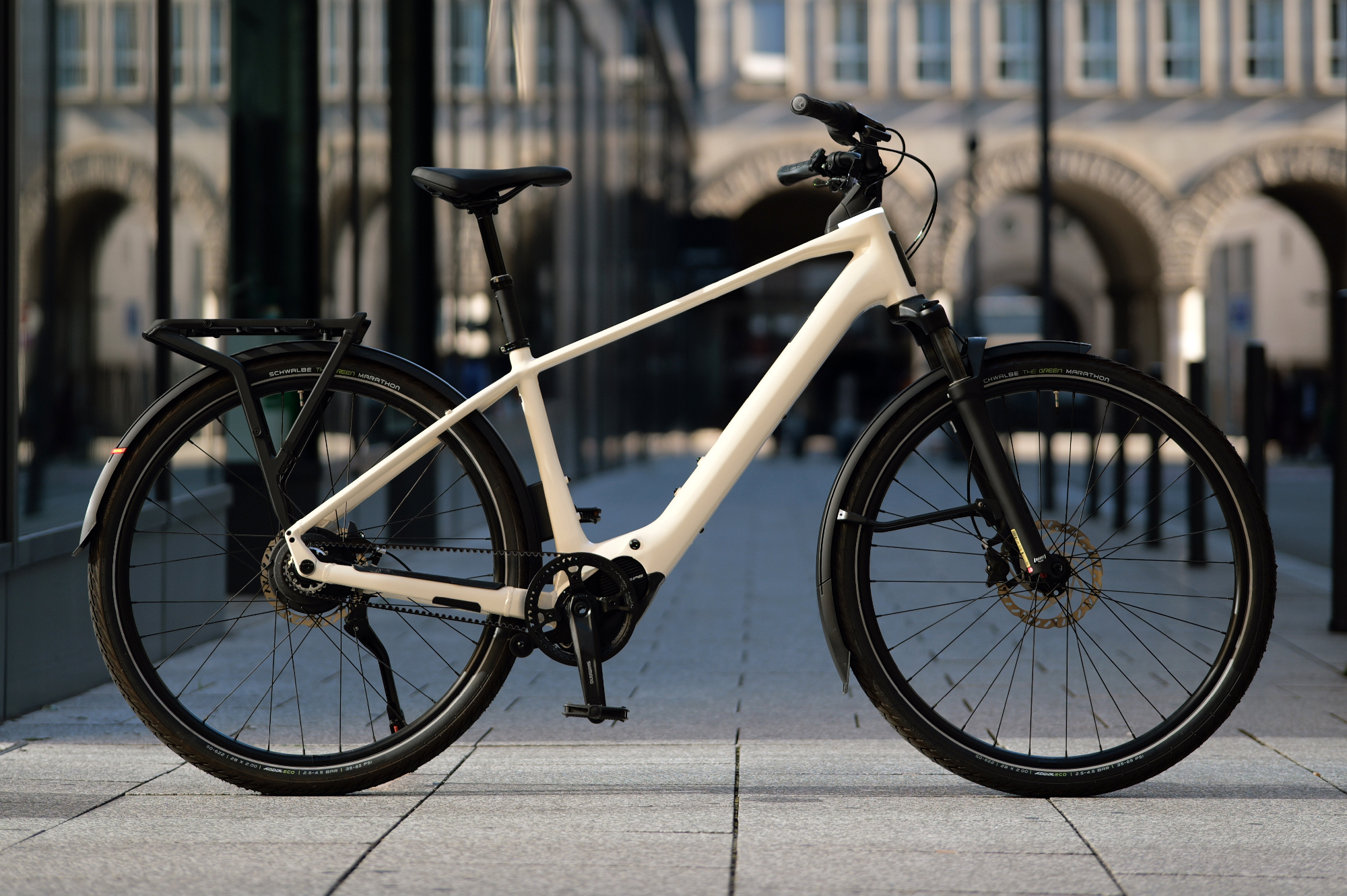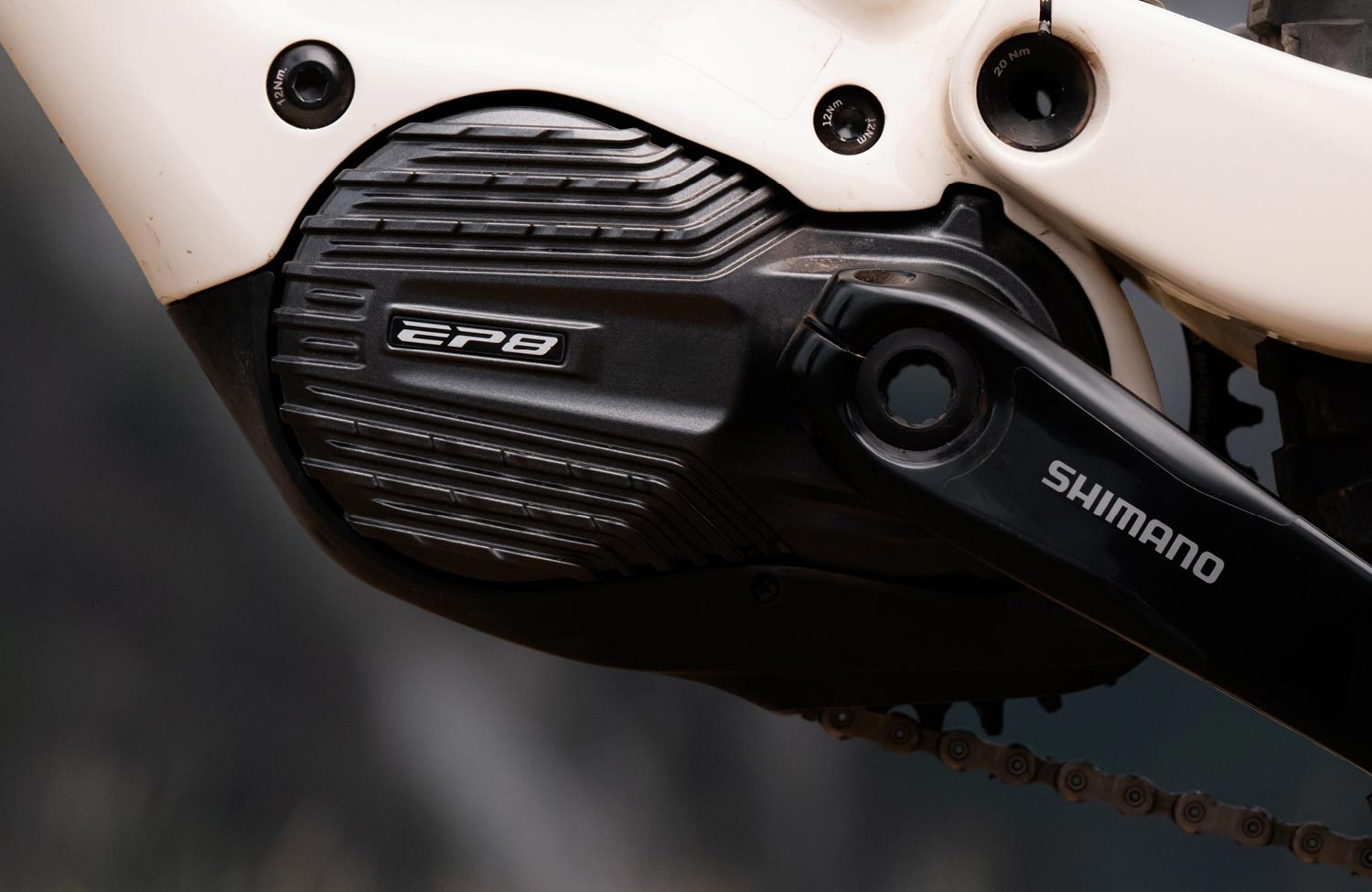
It’s felt like an eternity, but Shimano is now back with the EP810, a new generation of its e-bike drive system. The Japanese firm last released the EP801 in 2022 – a revised version of the EP8, which had been introduced back in 2020 – representing more of a model update than a genuine generational change. A lot has happened since then, not least a fundamental shift in the market landscape. Expectations for the new drive system are correspondingly high. To cut to the chase: Shimano delivers some long-overdue innovations, but hardly sets any new standards in the process.
Whilst Shimano has largely kept a low profile in recent years, adding just two lower-performance variants to its EP series, the competition has continued to evolve at a remarkable pace. In 2024, Bosch unveiled the fifth generation of its Performance Line CX and subsequently expanded its range to include further drive systems, including the Performance Line PX and the new model series comprising the Performance Line and Active Line Plus. At the same time, new suppliers have been shaking up the market. Foremost among them is Avinox, which, with its high-performance and fully digitalised drive systems, has very quickly become a serious competitor to the established manufacturers. And with Gobao, yet another supplier is already entering the market, set to challenge the established balance of power.
That said, the previous EP801 was by no means a bad motor. Its compact design, comparatively low weight and natural yet powerful delivery were particularly impressive. The fact that the system was now showing its age was most evident in its surrounding features. The controls looked increasingly outdated, the displays were rather old-fashioned, and other manufacturers had long since been offering more in terms of app connectivity and customisation options. It wasn’t necessarily the motor itself, but the entire ecosystem that had fallen behind the leaders.
It is therefore all the more welcome that Shimano is now back in action. However, the very nature of the announcement raises a few questions. Rather than a confident presentation delivered with the appropriate emphasis, the announcement was made rather casually, in the context of two new e-mountain bikes from Honda and Orbea. Added to this is the fact that not all the details of the drivetrain have apparently been finalised yet. Among other things, the noise levels are to be further optimised before the product is launched. For a manufacturer of Shimano’s stature, this approach seems surprisingly low-key – particularly given the long development time and the fact that competition has now become significantly fiercer.
Better performance, but no new records
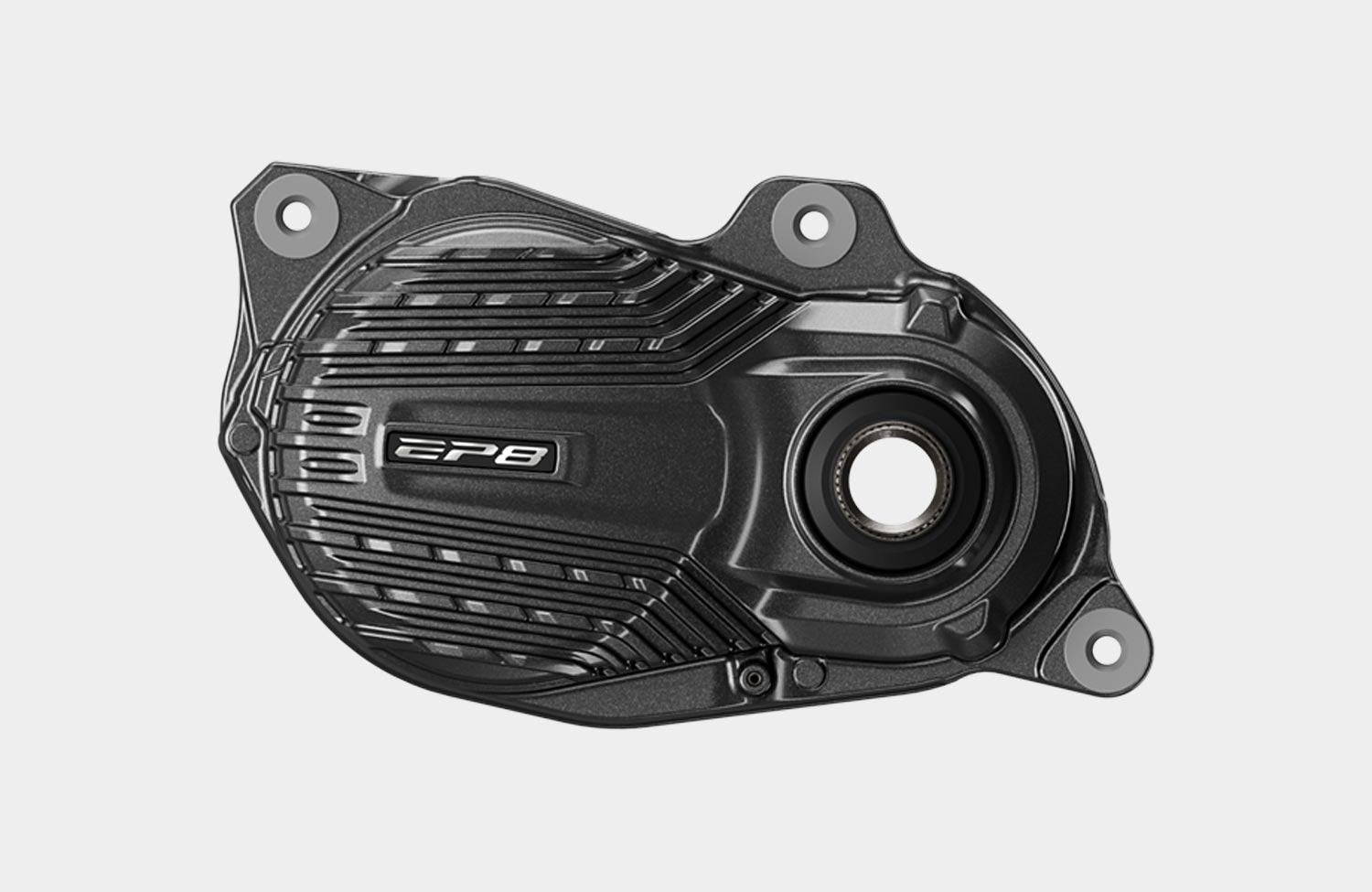
On paper, the new drive system certainly looks impressive: Shimano quotes a maximum torque of 100 Nm and a peak power output of 750 watts. At the same time, the motor is now said to weigh just 2.3 kilograms. These are respectable figures compared to its predecessor, which offers 85 Nm of torque at 600 watts and weighs around 2.7 kg. However, they aren’t quite enough to make a real splash. The competition has long been offering comparable – or in some cases significantly higher – performance figures without being much heavier – at least when you consider the weight of the entire system, including the battery.
Added to this are the highlighted Auto Shift and Free Shift functions, which, when used in conjunction with compatible electronic systems, enable automatic gear changes and gear shifts without pedalling respectively. Both are certainly welcome convenience features, though they are not fundamental innovations – after all, Shimano has been offering these technologies for several years now.
However, raw performance figures only tell part of the story when it comes to the actual qualities of a drive system. Ultimately, it also depends on how precisely the power can be modulated, how efficiently the drive operates, and what its noise levels are like in everyday use. Shimano has certainly scored highly in these areas so far, though it has also faced criticism regarding noise levels. However, it remains to be seen how the new system performs in these respects until the first production models become available.
Long-overdue modernisation of the display and controls
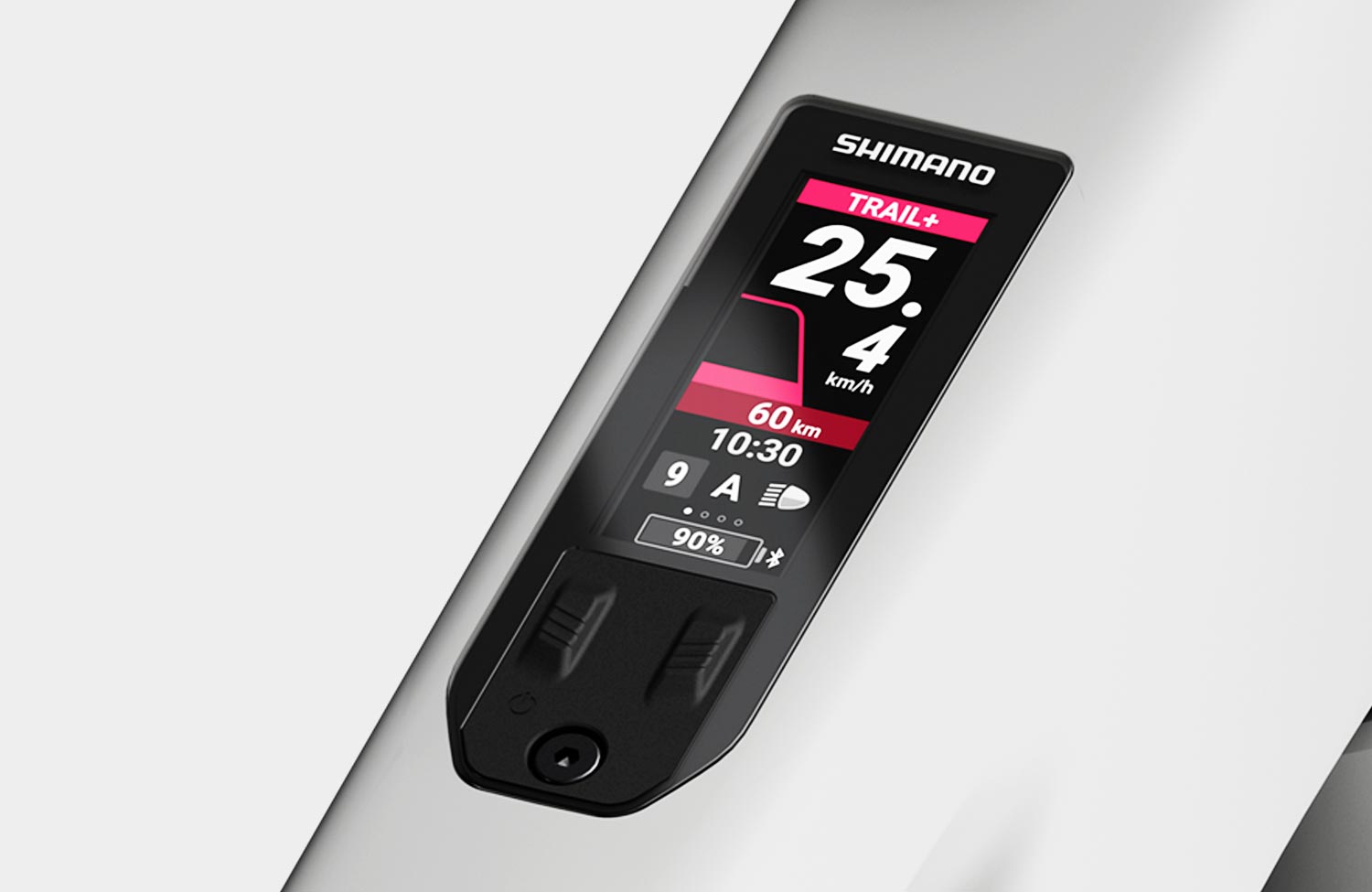
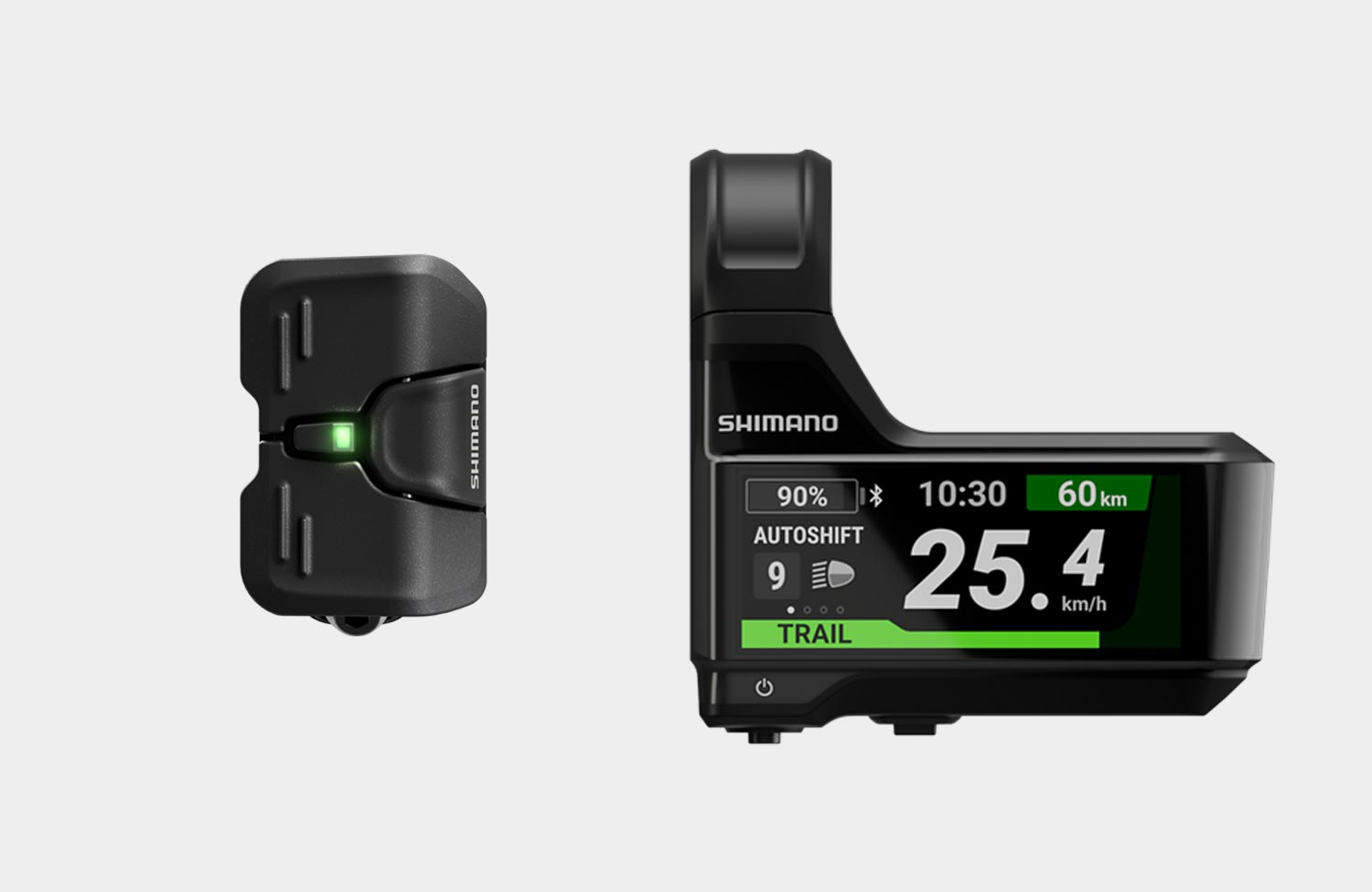
Progress is evident in the user interface design. Shimano is introducing a new display integrated into the top tube, as well as another version designed for mounting on the handlebars. Both solutions look tidier and more contemporary than previous displays, whilst remaining fairly conventional in terms of functionality. Touch control, as is available from some competitors, is not planned, for example.
The redesign of the controls is a welcome change. The new handlebar-mounted remote control looks considerably more modern and is less fiddly than previous versions. However, no successor to the now-outdated combined display and button unit was unveiled. We can only hope that Shimano will bring out a more up-to-date alternative in due course.
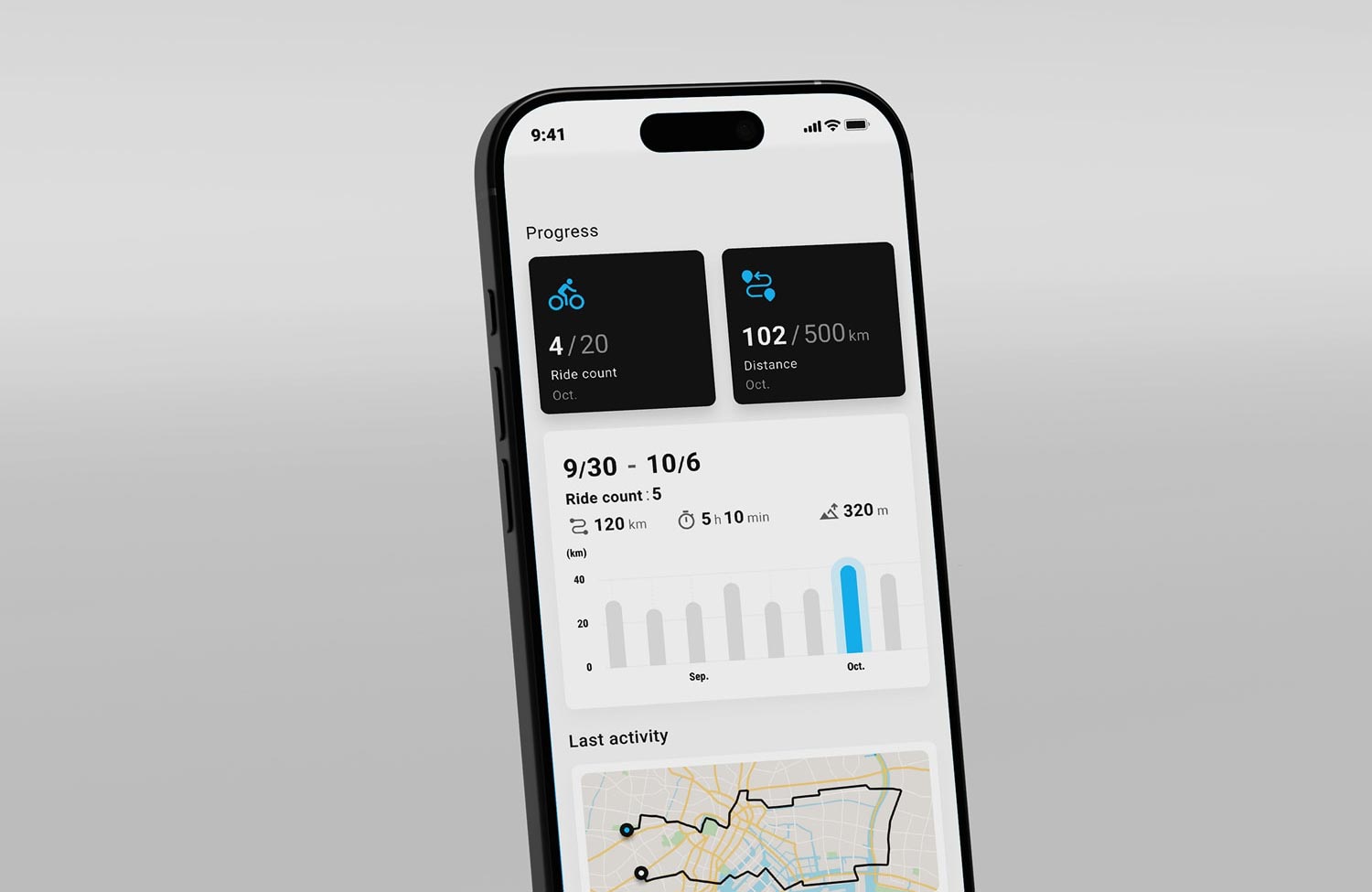
The new Shimano Connect app also feels much more up-to-date and significantly expands the range of functions. As well as allowing you to customise the drive system and adjust the automatic assistance function, it enables you to record ride data, offers a digital lock function and automatically downloads software updates.
There is also room for improvement when it comes to the battery
To complement the new motor, Shimano is introducing a battery with a capacity of 720 Wh; however, its stated weight of around 4.1 kilograms is not particularly low. Nor does the charging capacity offer much cause for enthusiasm: with 2- and 4-amp chargers, Shimano is sticking to a comparatively conventional solution, whilst other manufacturers now offer significantly more powerful fast-charging systems.
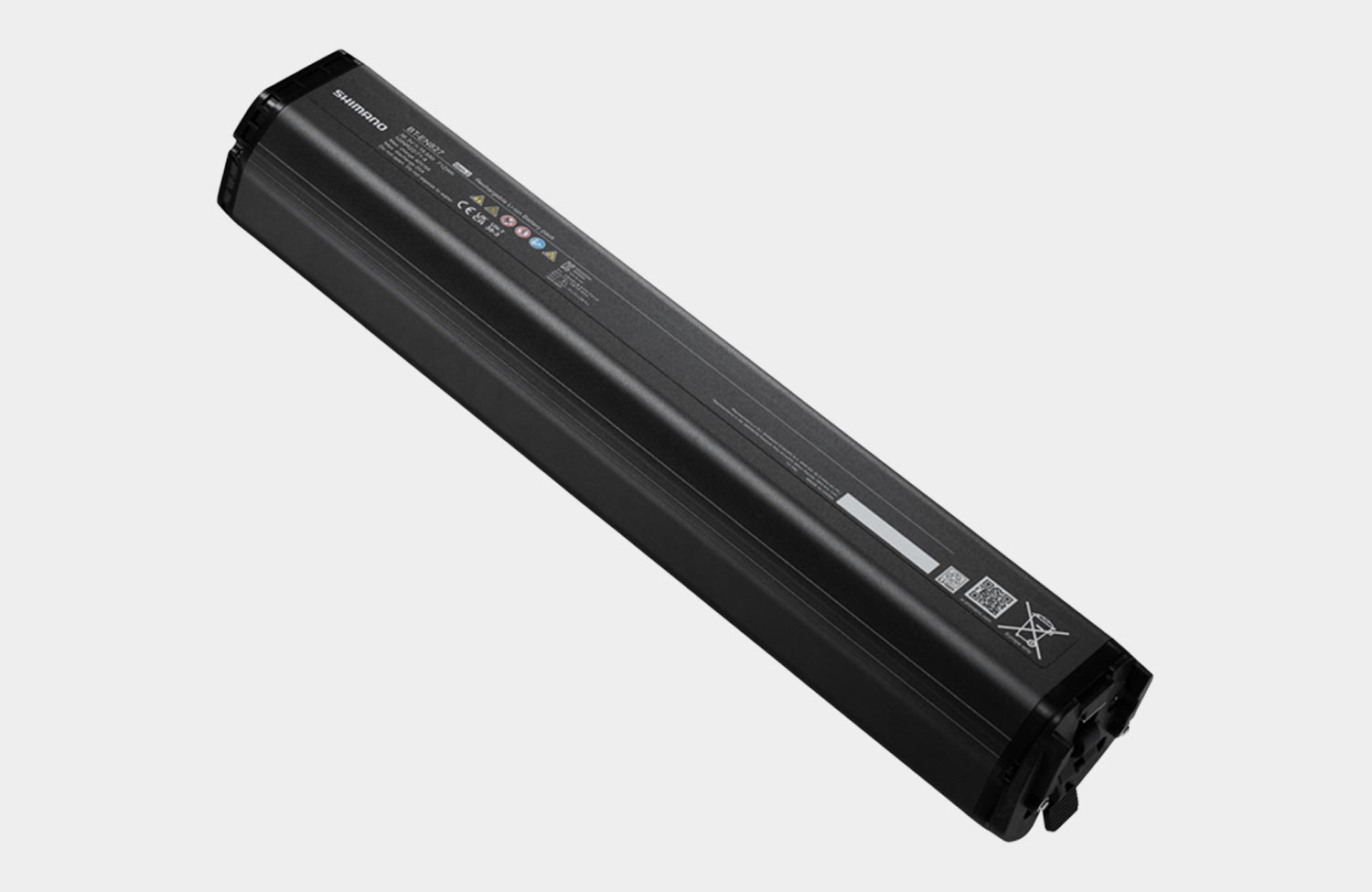
One would have expected more in this regard, particularly from a newly developed drive system. After all, the focus has long since shifted from simply maximising battery capacity to also considering energy density, weight, charging speed and flexible integration into different bicycle designs. Shimano has not yet unveiled any further battery variants. At the very least, bicycle manufacturers still have the option of using their own energy storage systems. Orbea, for example, is already making use of this freedom to equip its e-bikes with bespoke battery solutions.
And what about city bikes and cargo bikes?
Unsurprisingly, Shimano is once again focusing on the e-mountain bike segment with its new generation of drivetrains. This naturally raises the question of what specific qualities the company intends to use to set itself apart from the competition, particularly in this highly competitive market. The first models announced by Honda and Orbea come from precisely this sector; however, there are as yet no concrete plans for their use in urban e-bikes or cargo bikes.
Yet Shimano could really play to its strengths in the urban segment, where smooth assistance, a compact design and straightforward operation are often more important than maximum motor power. Instead, the manufacturer seems to be focusing primarily on regaining competitiveness in its traditional market. However, no strategy going beyond this is yet apparent.
Conclusion: A sign of life, but not a breakthrough
The fact that Shimano is once again unveiling a new drivetrain after years of relatively little innovation is, in principle, good news. Increased power, more modern controls, new displays and a revamped app were long overdue. The new drivetrain therefore brings the system back into line with the current state of the art in key areas.
It remains disappointing, however, just how little else Shimano seems to have to offer. So far, there are no real standout features to be seen, whether in terms of performance figures, the battery or digital integration. Even the unusually low-key presentation does not necessarily give the impression of a manufacturer that is confidently seeking to reclaim technological leadership with a new generation of products. Perhaps this is precisely the reason for the rather low-key launch.
Yet competitive pressure is greater today than ever before. New entrants such as Avinox and Gobao are entering the market with ambitious concepts, whilst even Bosch has to defend its established position through continuous innovation. Shimano, on the other hand, seems to be primarily focused on making up for lost ground after a long hiatus.
It remains to be seen whether that will be enough. For even if a good motor does not necessarily have to boast record-breaking figures, it is now the interplay between the drive, battery, controls and digital functions that determines the appeal of an e-bike system. And this is precisely where Shimano still has some way to go, despite the innovations. Given the developments of recent years, this inevitably raises the question of what the Japanese company has been working on during this time – and what role it actually intends to play in the e-bike market in future.