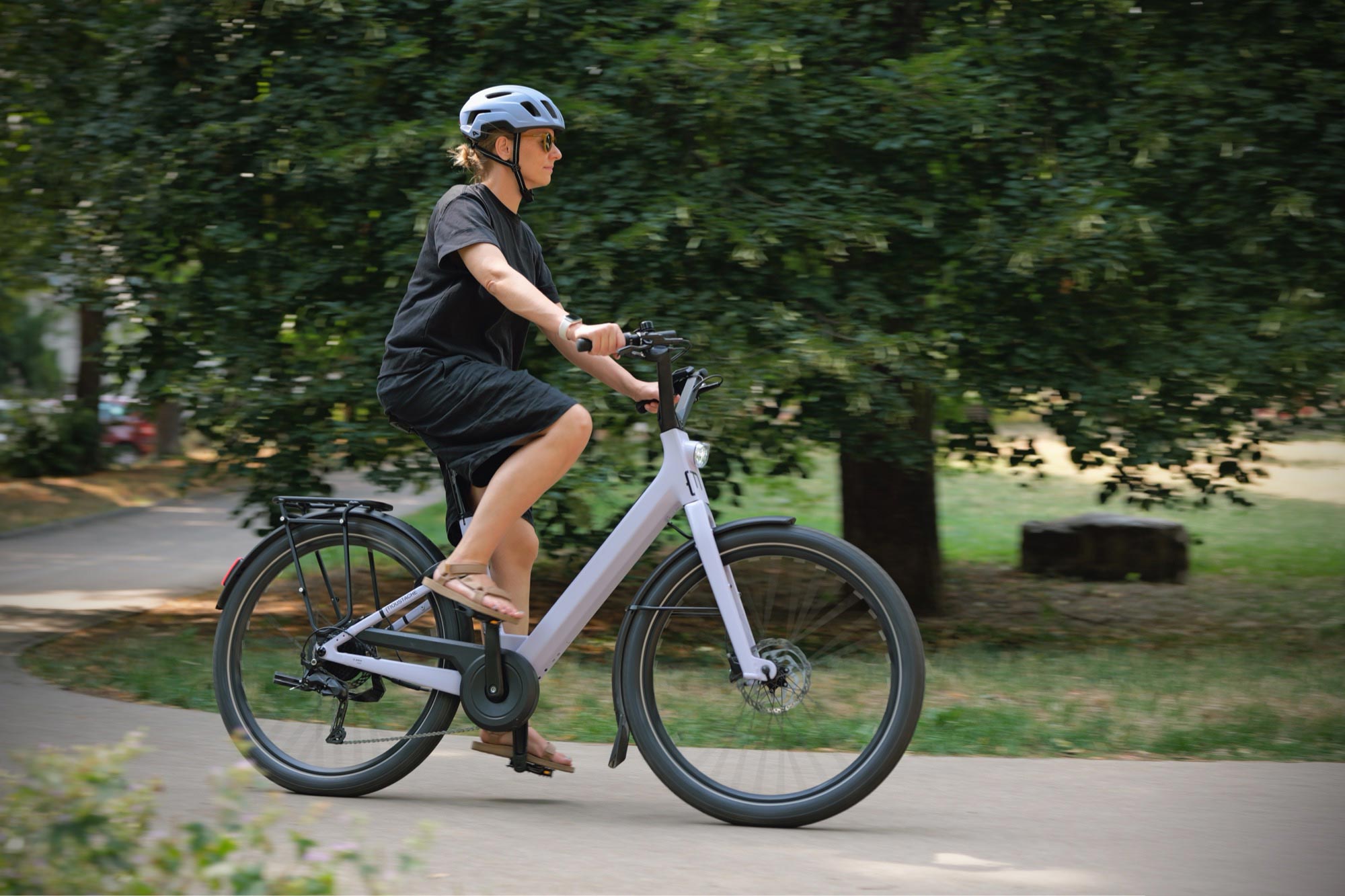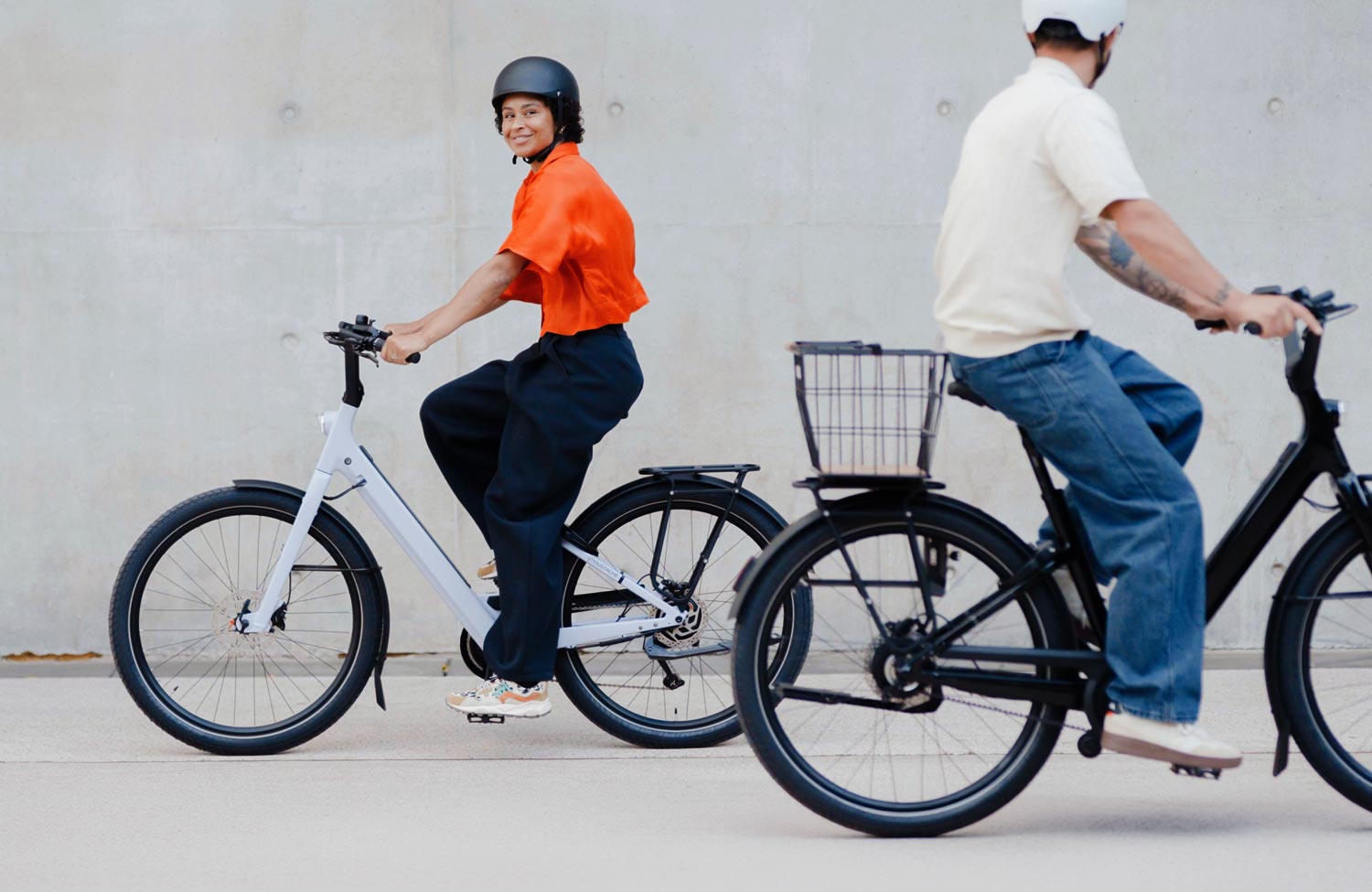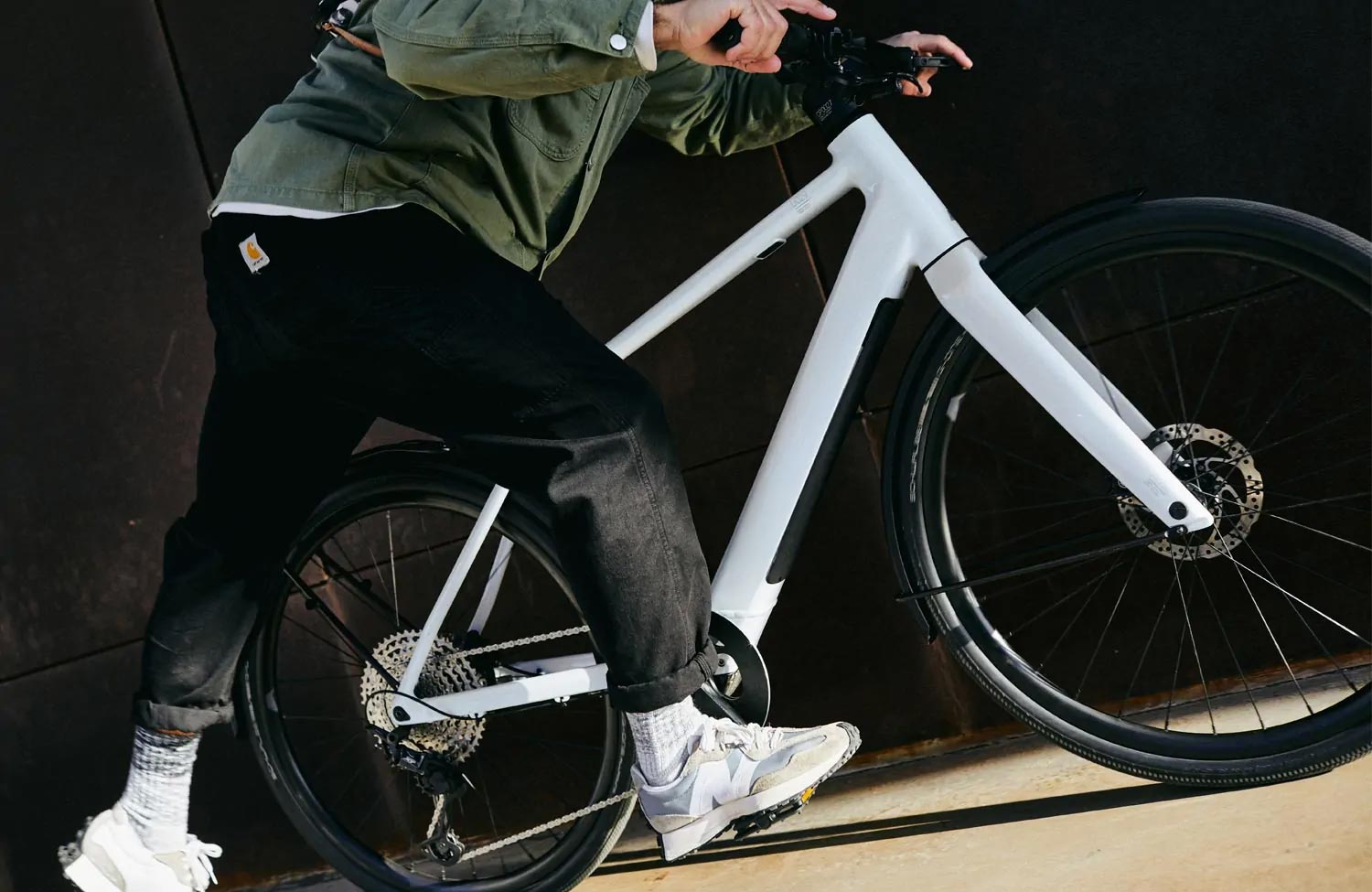
It was almost symbolic when Porsche acquired a full stake in Fazua in early 2022. The Munich-based drive manufacturer had long been regarded as one of the most exciting names in the e-bike market – lightweight, compact and deliberately positioned differently from the established heavyweights such as Bosch and Shimano. Fazua had made a name for itself particularly in the segment of sporty gravel and urban bikes and lightweight e-MTBs. But now it’s official: the brand is being discontinued!
High hopes following Porsche’s entry
Yet despite the high expectations surrounding Porsche’s entry into the market, things have remained remarkably quiet at Fazua in recent years. The last major sign of life came in April 2022 with the launch of the Ride 60 – a drive system that was more powerful than the earlier Ride 50 and impressed with its natural riding feel and comparatively quiet operation. The battery had also been slightly revised and now offered greater capacity, but at its core the system remained since then unchanged.

This was particularly unfortunate in an urban setting, as the concept certainly had potential. In our test of the UBN Five from Riese & Müller, the e-drive also made a favourable impression: pleasantly unobtrusive, with natural assistance and, above all, well-suited to lighter e-bikes that didn’t want to look like classic, full-blooded e-bikes. That is precisely where Fazua could have occupied an interesting niche – between the powerful mid-drive systems and the sleek e-bikes with hub motors.
Technical issues and limited availability
However, the number of products on offer remained limited. In the urban sector, only a handful of manufacturers really embraced Fazua, notably Canyon and Riese & Müller. Whilst other brands did experiment with the system from time to time, it never gained a significant market presence. Even the Gazelle Cabby with Fazua drive, unveiled in autumn 2025, now seems, with hindsight, more like a late-stage resurgence than the start of a new push.

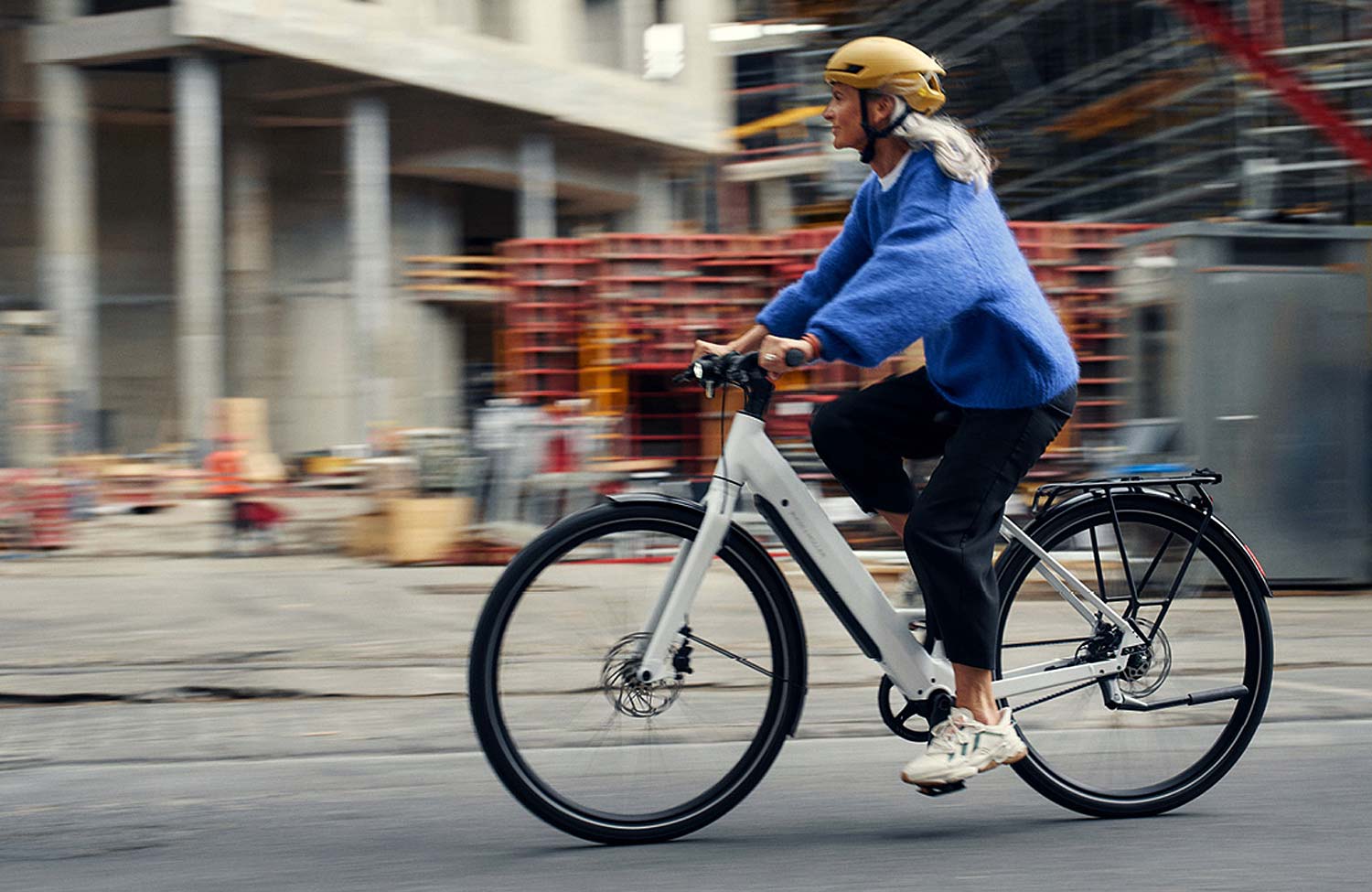
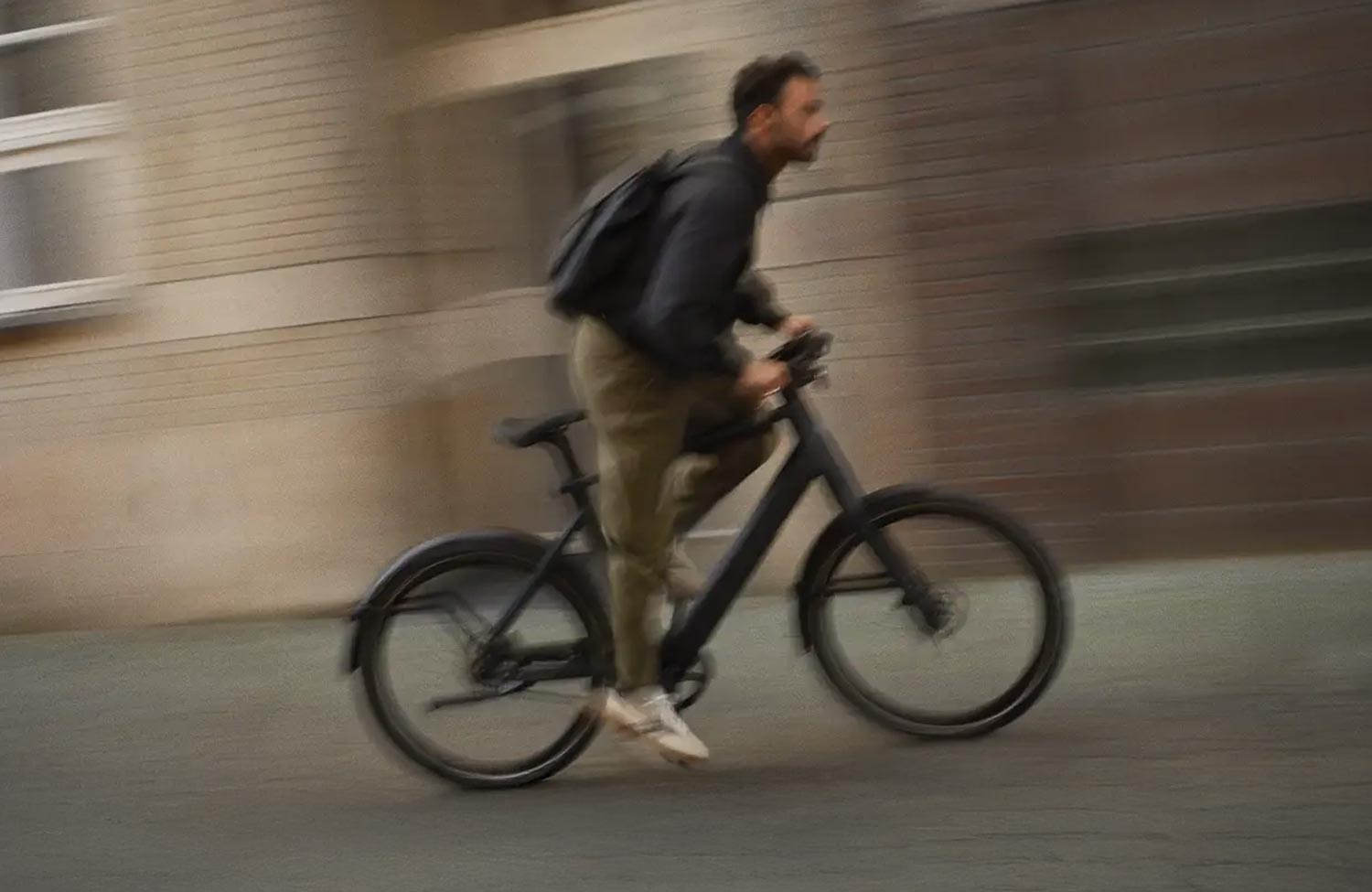
On top of this, there were apparently technical issues relating to reliability, with some dealers also reporting increased servicing requirements. To make matters worse, Bosch had been catering to a similar niche in the market since 2023 with its compact SX motor – but was able to score points with its proven reliability and quality. Countless manufacturers subsequently jumped on this bandwagon, leading to a further decline in Fazuas’ market share.
The fact that competition in the e-bike market is becoming an increasing problem has recently been evident elsewhere too. For instance, ZF has already discontinued its announced CentriX drive before it had even really got off the ground. At the same time, DJI’s enormous success with Avinox is adding to the pressure, and even established suppliers such as Mahle are struggling to gain a larger market share with new mid-drive motors such as the M40.
Why Porsche is pulling the plug now
There is a certain irony in the fact that it is Porsche, of all companies, that is now calling it quits. The sports car manufacturer’s entry into the market was, at the time, presented as a clear commitment to the mobility of the future. In reality, however, the decision is likely also linked to the group’s current economic situation. Porsche itself is currently under pressure, struggling with declining trends in key markets and implementing extensive cost-cutting measures. In such an environment, smaller future-oriented projects are more quickly put to the test – particularly if they do not appear immediately profitable or do not play a central role in the core business.
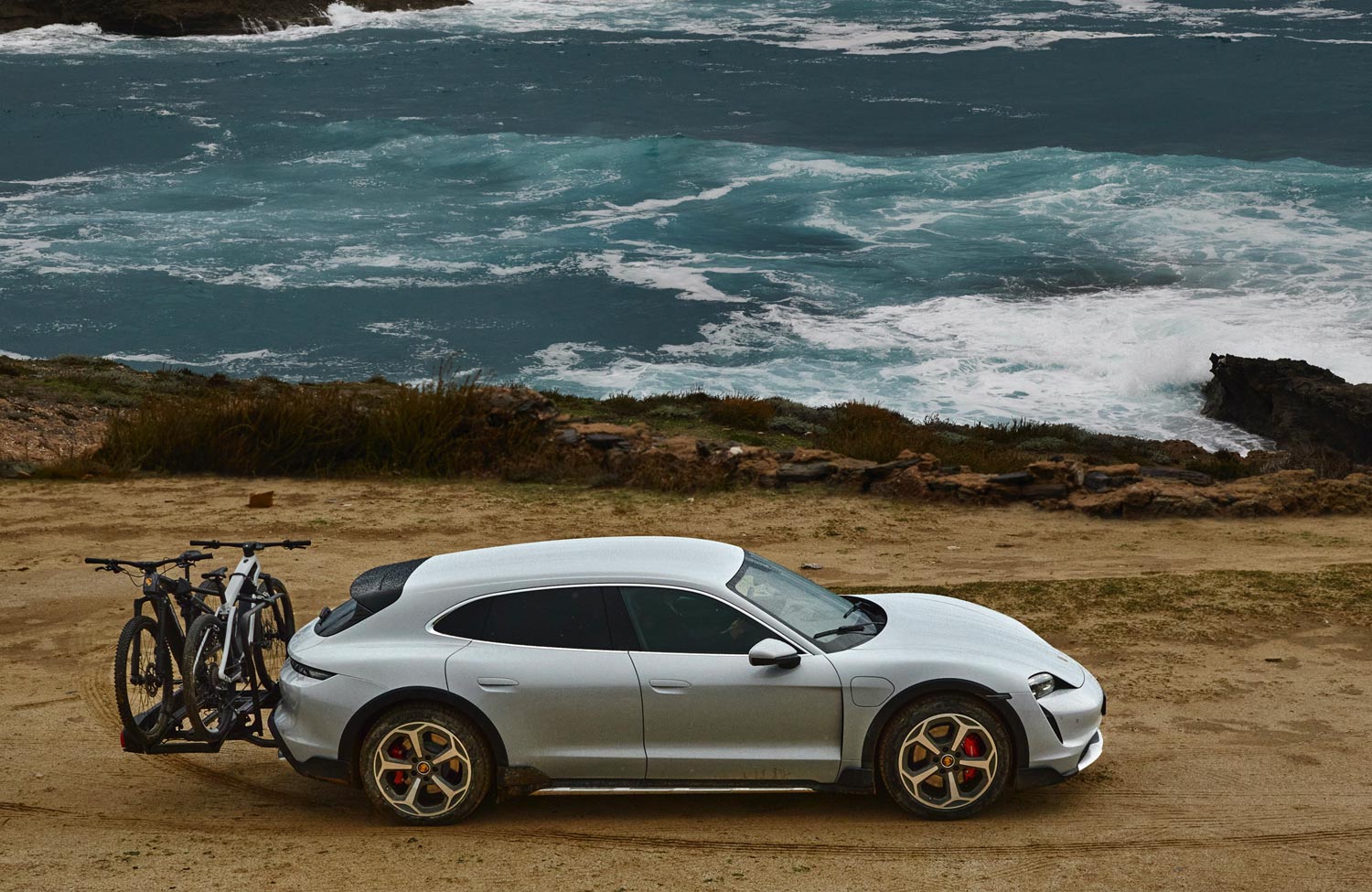
This is precisely why the Fazua story ultimately seems like yet another example of how car manufacturers are happy to promote alternative mobility concepts in their communications, but often fail to pursue them with the same determination in the long term as they do their core business. Grand visions of sustainable mobility are now almost a given in the public image of many car manufacturers. However, when it comes to strategically building up cycling or micromobility projects over a period of years, the necessary staying power is often lacking.
What Fazua users need to know now
For existing Fazua users, however, little is set to change in the short term. The company emphasises that service, warranty claims and the supply of spare parts will continue to be provided through the existing dealer network. Fazua states explicitly that its commitment to existing systems remains unchanged – including support and the supply of parts “for the coming years”. So anyone already riding a bike with a Fazua drive need not worry, at least for the time being, about suddenly being left without technical support.
As far as the e-bike market itself is concerned, Fazua’s demise is manageable – the competition is fierce and technically strong. Nevertheless, this also marks the disappearance of a manufacturer that took a somewhat different approach. Lighter, harmoniously integrated systems would still have had their place, particularly in urban environments. It is all the more regrettable that, in the end, nothing ever came of it!