After a short winter break, we are back – with a recap of the past year and a preview of the 2026 urban bike season. Even though the industry continues to consolidate and major innovations have become somewhat less frequent, there is no shortage of exciting developments. In fact, quite the opposite: some trends are now really gaining momentum!
Subdued demand, full warehouses – the industry faces reality
The bicycle industry continues to be characterised by sluggish demand and well-stocked warehouses. Insolvencies such as the recent one at German Start-up Sushi Bikes underscore the tense situation, and we also recently reported on the difficult situation at Cowboy. The consequences are clear to see: discount wars in the retail sector and continued reluctance to introduce new models. Many manufacturers prefer to optimise existing products rather than launch new platforms on a broad scale.
E-bike drives: evolution rather than revolution
Restraint is also evident in the motors. Shimano, for example, remained surprisingly quiet last year, and a direct successor to the current motor generation is still a long way off. Bosch, on the other hand, has specifically modernised the mid-range segment with the new Performance Line, Performance Line PX and updates for cargo and S-pedelec drives.
It remains to be seen whether Bosch’s entry-level Active Line motor will also be replaced – not a foregone conclusion given the already broad portfolio and increased performance levels. While mid-drive motors with around 80 Nm of torque were recently considered top of the range, they now rank somewhere in the solid lower mid-range, given the veritable explosion in performance with up to 120 Nm.

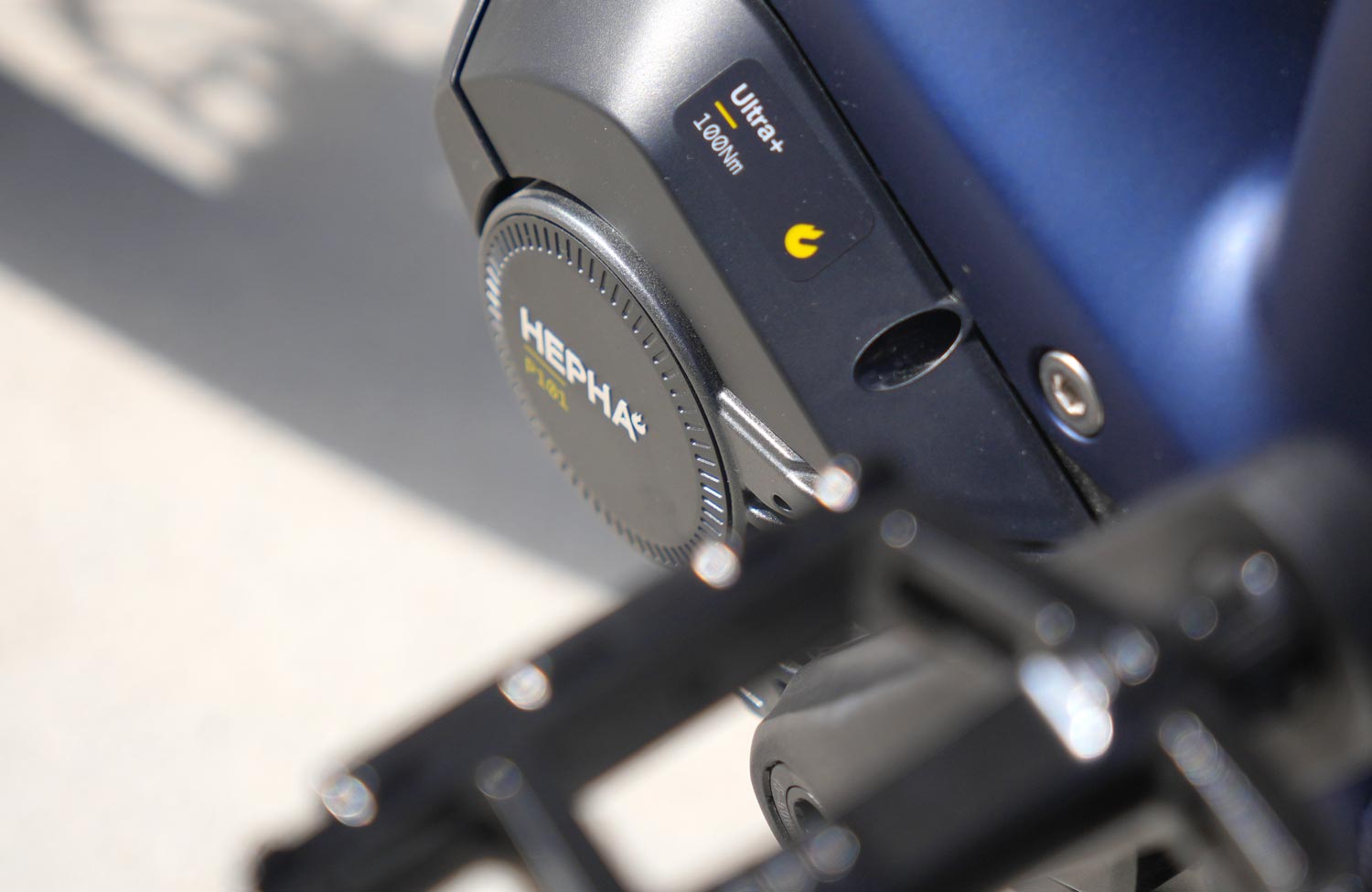
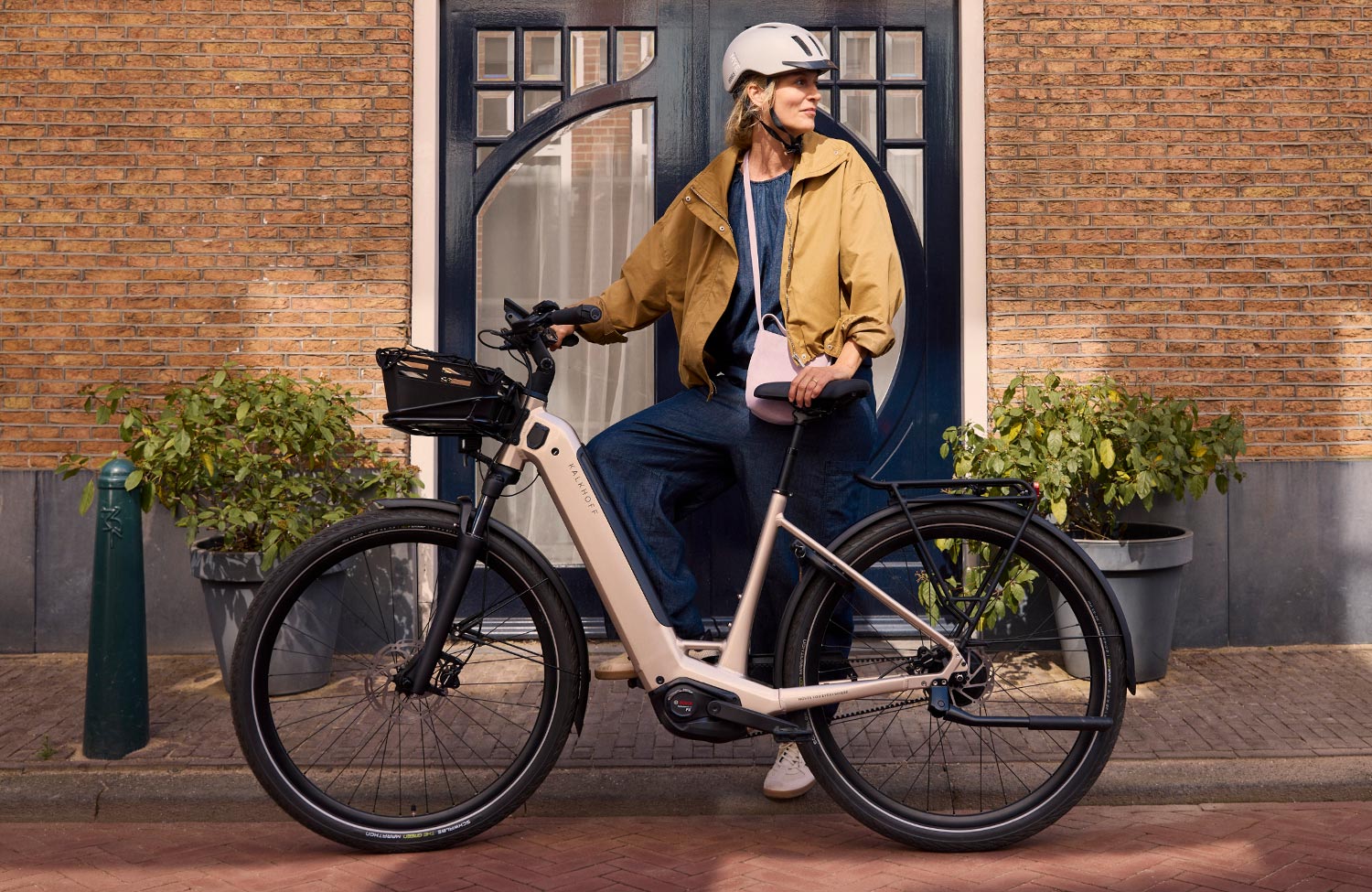
Other innovative drive systems have also been presented on numerous occasions, but they first need to establish themselves on the market and, above all, be installed by bike manufacturers. This is precisely where a key problem currently lies: the tense market situation, full warehouses and economic uncertainty make it difficult for many brands to take risks and bring completely new systems into series production. Manufacturers such as Hepha, on the other hand, are taking a different approach. They are relying exclusively on Gobao’s promising motor and can demonstrate its potential directly on the market through their own models – without having to rely on external partners or lengthy decision-making processes.
DJI’s Avinox drive system continues to be an exciting prospect: it seems only a matter of time before a major bicycle manufacturer starts installing this innovative system in series production. Many interested parties are likely to be waiting for just such a product – which may well be another factor contributing to the current noticeable reluctance to buy in the market.
Full suspension conquers the city
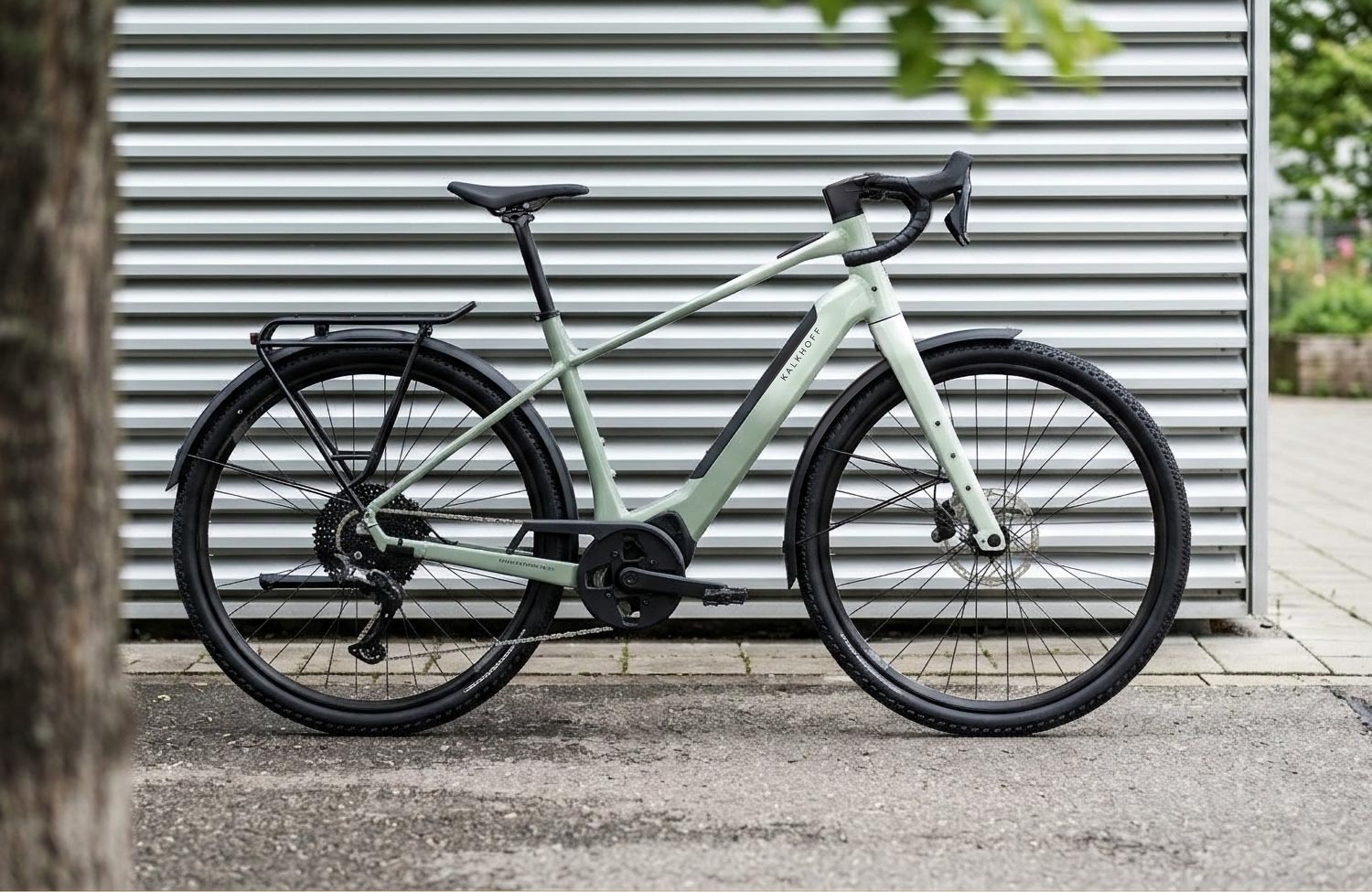
One of the clear urban bike trends for 2026 is full suspension designs. Manufacturers such as Moustache, Kalkhoff, Orbea and Cube have just released or already announced corresponding models – and more are likely to follow. The result: greater comfort and versatility, especially on poor city roads. The downside, however, is just as obvious: more weight!
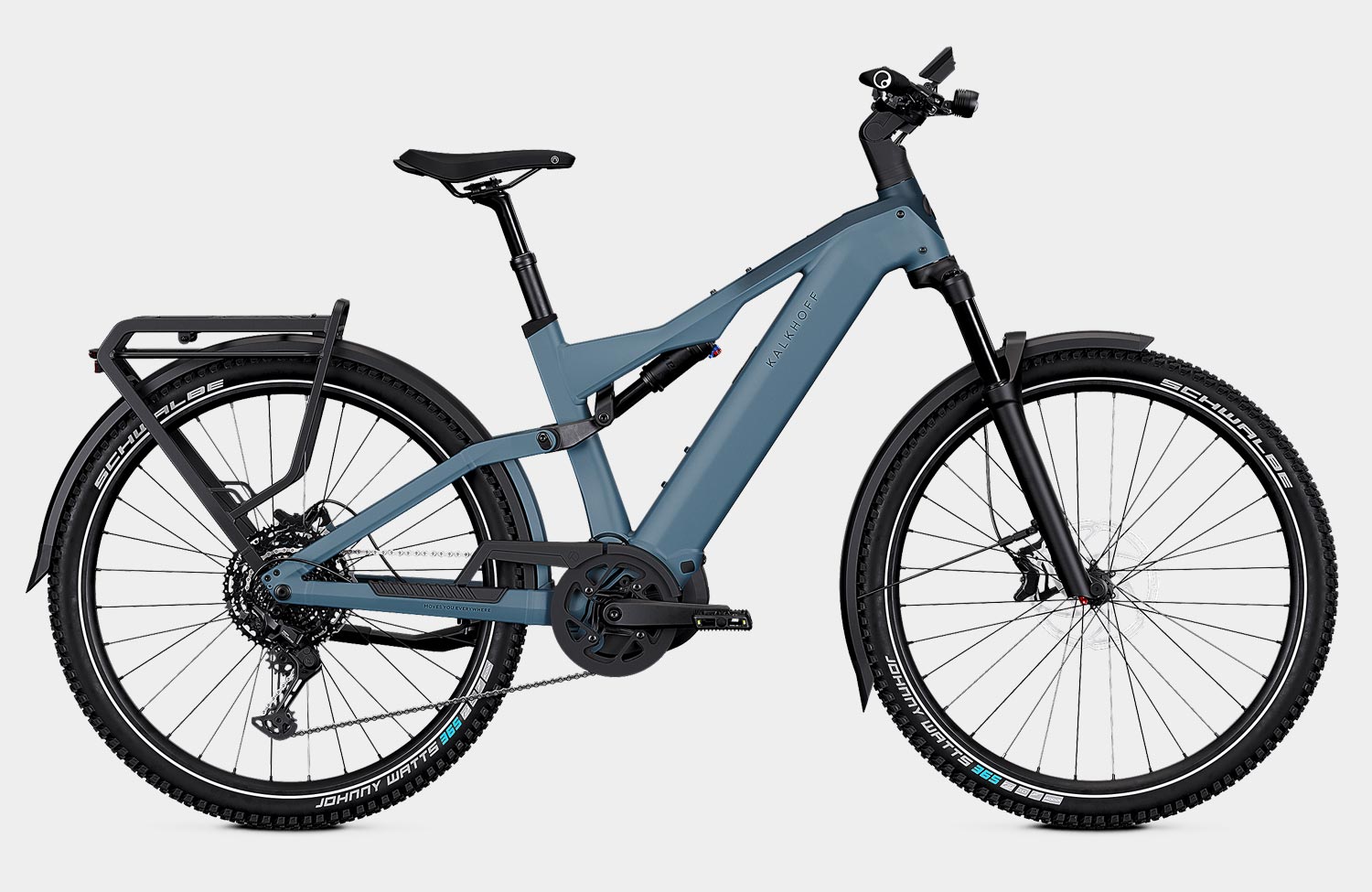


Another step towards making urban bikes consistently more comfortable and suitable for everyday use. In recent years, tyres have become wider, options for transporting cargo have become significantly more extensive, and sturdy mudguards and high-quality integrated lighting systems have become standard features. This development is now continuing as a matter of course.
Lightweight design: The hype is slowing down – innovation remains
The hype surrounding particularly light and slim urban e-bikes has recently subsided somewhat. While compact hub motors have been the main focus in this segment in recent years, many brands are now increasingly turning their attention back to mid-drive motors, which are usually slightly heavier due to their design – but can also be combined with hub gears.


However, hub motors have by no means disappeared from view. There were also exciting innovations in this area last year – above all the new motor from Bafang, which features an integrated three-speed automatic gear hub. The concept is complemented by two-speed variants, which are also an attractive alternative to the single-speed bikes that have been so popular in this segment to date and offer noticeable added value, especially in hilly cities – while retaining the advantages of the hub motor with its direct power delivery and largely silent operation.
Automatic transmission becomes mainstream
In general, there is still enormous potential for innovation in the field of gear systems. Electronic and automatic systems are not only becoming more technically sophisticated, but above all noticeably cheaper and thus more widely accessible. We are already familiar with automatic solutions from the e-bike sector, for example from Enviolo, with the MGU from Pinion or from Decathlon models with the Owuru drive. For years, these systems have been demonstrating how much automatic shifting can simplify everyday cycling.


However, Shimano recently made a real splash with its Cues Q’AUTO automatic gear shift. It proves that automatic shifting comfort is also possible in a very straightforward way on analogue bikes with derailleur gears. In our brief test, the system not only worked reliably, but was also surprisingly intuitive and pleasant to use. There are many indications that this approach will become much more common in 2026 and that automatic shifting will emerge from its niche status.
Conclusion: Consolidation with clear signals
The 2026 urban bike season is less about radical change and more about targeted and sustainable development. Comfort, automatic solutions and genuine everyday practicality are increasingly taking centre stage, while the market and manufacturers continue to consolidate.
For buyers, this means above all more choice and more sophisticated technology – and, last but not least, often attractive prices, as many manufacturers have readjusted their bike prices in view of the current market situation. For the industry as a whole, however, it remains a challenging balancing act between the drive for innovation and economic rationality.